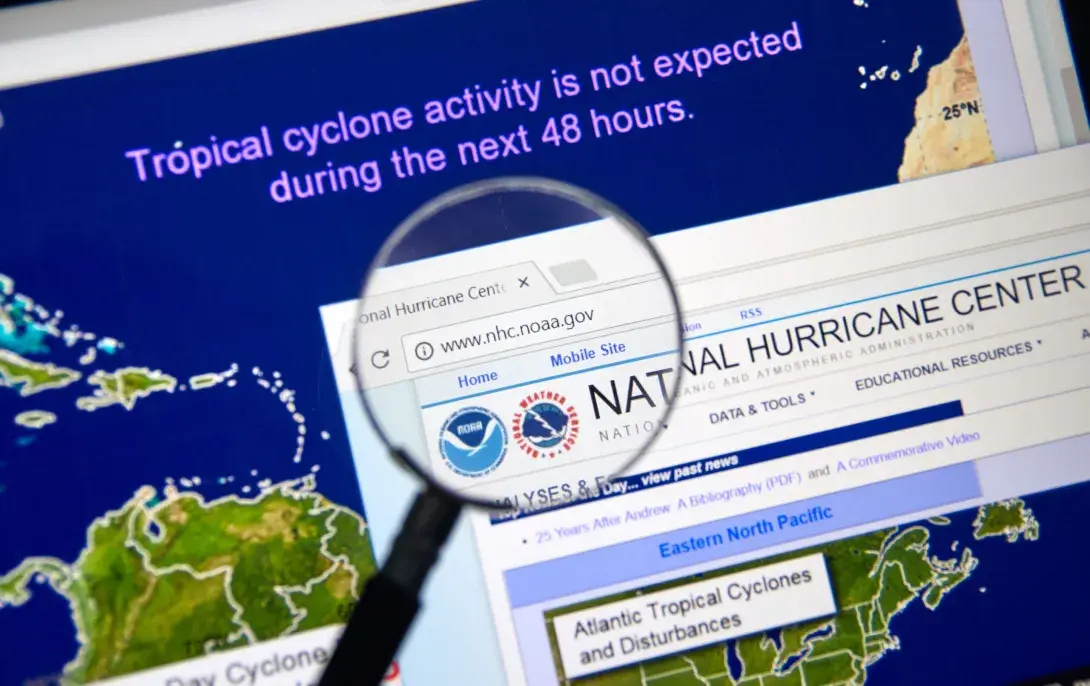
During hurricane season, keep a closer eye on weather forecasts to make sure you have as much warning as possible for incoming storms. Your local news and the NHC website are great resources for checking on weather outlooks and active storms.
Understanding the forecasts and alerts can make a significant difference in preparedness and safety.
Understanding the Different Storm Warnings
- Tropical Storm Watch: Indicates the possibility of tropical storm-force winds (39-73 mph) within the next 48 hours. It’s a call to review your hurricane plan and ensure your emergency supplies are stocked.
- Tropical Storm Warning: Sustained winds of at least 39 mph are expected within 36 hours. Secure your property and prepare for possible evacuation if you’re in a high-risk area.
- Hurricane Watch: Signals that hurricane-force winds (over 74 mph) could hit your area within 48 hours. Stay updated with official broadcasts and prepare to act swiftly.
- Hurricane Warning: Imminent hurricane-force winds within 36 hours mean you should seek shelter immediately and follow evacuation orders without delay.
Interpreting the Forecast
Hurricane forecast maps often feature a “cone of uncertainty” showing the most likely path of the storm’s center. However, the storm can veer off this path, and severe conditions may extend beyond the cone. Always consider the full range of potential impacts when preparing.
Understanding Hurricane Categories and Their Potential Impacts
The Saffir-Simpson Hurricane Wind Scale (SSHWS) categorizes hurricanes based on their sustained wind speeds. This provides a general idea of the potential damage a hurricane can cause:
- Category 1 (74-95 mph): Very dangerous winds will produce some damage. Potential for power outages and damage to mobile homes.
- Category 2 (96-110 mph): Extremely dangerous winds will cause extensive damage. Power outages will likely be widespread and long-lasting. Significant damage to roofing materials, siding, and trees.
- Category 3 (111-129 mph): Devastating damage will occur. Well-built framed homes may experience major roof and structural damage. Power outages may last for weeks or even months.
- Category 4 (130-156 mph): Catastrophic damage will occur. Even well-built homes may become uninhabitable. Power outages are expected to last for weeks or possibly months.
- Category 5 (over 157 mph): Catastrophic damage will occur. A high percentage of framed homes will be destroyed. Massive power outages are expected to last for weeks or months.
Voluntary vs Mandatory Evacuation Orders
A voluntary evacuation order means that you are encouraged to leave the area, but it is not required. It may still be a good idea to evacuate if you are in an at-risk area that. If a voluntary order becomes mandatory, you are more likely to face traffic and limited shelter options. Consider as well the power outage, road blockage, and supply disruptions that can come after a storm.
A mandatory evacuation order means that you must leave the area immediately. Failure to comply with a mandatory evacuation order can put you and your family at risk.
Staying informed throughout Hurricane Season is an important part of staying safe. With early warning of coming storms, you have more time to prepare and plan. Track the latest updates and plan accordingly!