Whether you’ve just purchased a rental property or have decided to transition your residence to a rental, understanding landlord insurance coverage will help ensure you get the right protections. A landlord insurance policy is intended to cover a tenant-occupied property and the financial interests of the property owner. Here’s a breakdown of landlord insurance coverage:
Coverage A – Dwelling
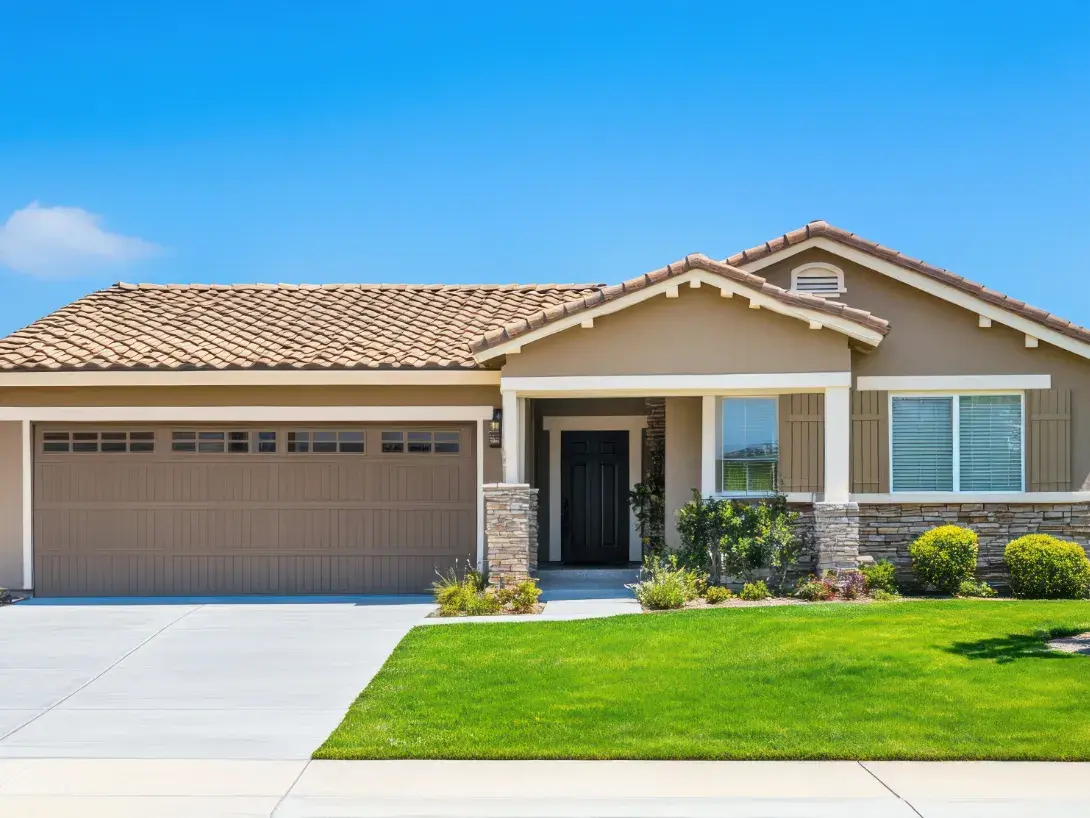
Coverage A protects the actual structure of your rental property, including attached features like a garage or deck. This coverage will have a set limit – your Coverage A limit – based on the value of the property. Coverage A protections may be used to rebuild or repair damage caused by a covered peril. This is the core protection of a landlord policy.
Coverage B – Other Structures
While Coverage A includes all attached structures, your property may have detached structures that you want to insure. Coverage B can help you to protect things like fences, sheds, detached garages, or gazebos from damage caused by covered perils. Your Coverage B limit will typically be a percentage of your Coverage A limit, which you can select based on your needs.
Coverage C – Landlord Property (Contents)
Coverage C is a tool to protect your personal property at the rental home. This is also restricted to damage from covered perils, and the amount of coverage is typically set as a percentage of your Coverage A limit. One critical note – Coverage C does NOT cover any tenant belongings. A tenant would secure their own renters insurance to get protection for their property.
Coverage D – Fair Rental Value
If your property becomes uninhabitable due to a covered loss, Coverage D can reimburse you for lost rental income while repairs are being made. This means that after a fire, for example, if the home is too damaged for a tenant to continue living there, your income from the home may not be completely lost for that time. Your Coverage D limit will also often be a percentage of your Coverage A limit, and only applies if the damage is caused by a covered peril.
Coverage E – Premises Liability
Coverage E can protect your financial wellbeing when someone brings a claim or lawsuit against you for personal injury or property damage arising from the ownership, maintenance, or use of the rental property you are legally liable for. This may include court judgments, settlements, and legal defense costs incurred even if the lawsuit is meritless.
Coverage F – Medical Payments to Others
While Coverage E might help you pay for medical costs after a judgement or settlement, Coverage F can help you to pay for minor medical expenses regardless of fault. If someone is injured on your property, Coverage E may allow you to handle small incidents quickly, without escalating into a larger liability claim.
Understanding the primary coverages offered through landlord insurance is a great way to better understand your needs. There are a lot of additional factors that go into crafting a customized policy based on your unique location, property, and budget. The best way to truly understand coverage details is speaking with an agent. Get a free quote today!
This information is meant to help you understand DP Landlord Insurance, but your actual coverage will depend on the specific terms and details in your insurance contract. For questions about your exact coverage, it’s always best to review your policy or speak with your insurance agent.