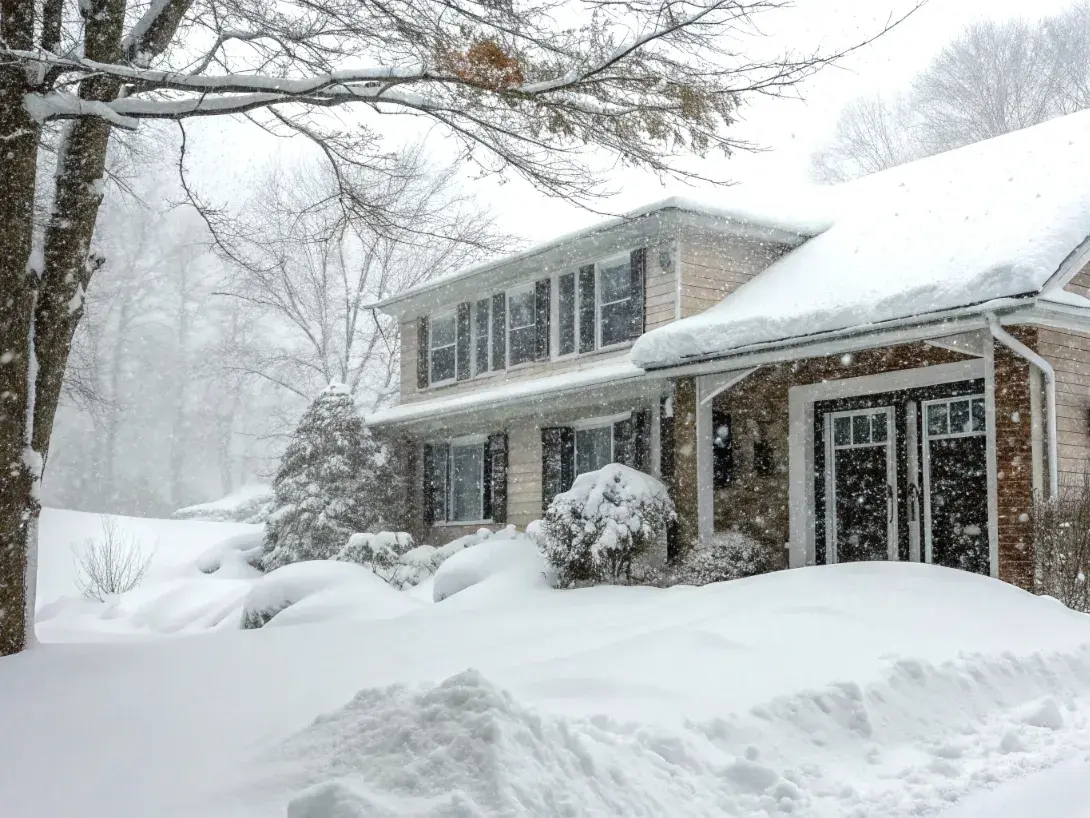
Winter storms can be beautiful, but they can also create dangerous conditions, from ice and snow build up to power outages and extreme cold. Prior preparation, and being ready for worst-case-scenarios, will make a critical difference in keeping yourself, your family, and your home safe. This article outlines practical steps to take before, during, and after a winter storm to reduce risks and recover more quickly.
Before the Storm
Preparing before a winter storm is critical, to ensure your home is protected and make sure you have necessities in case of dangerous conditions. Take these steps before an anticipated ice or snow storm for a safer, more comfortable experience:
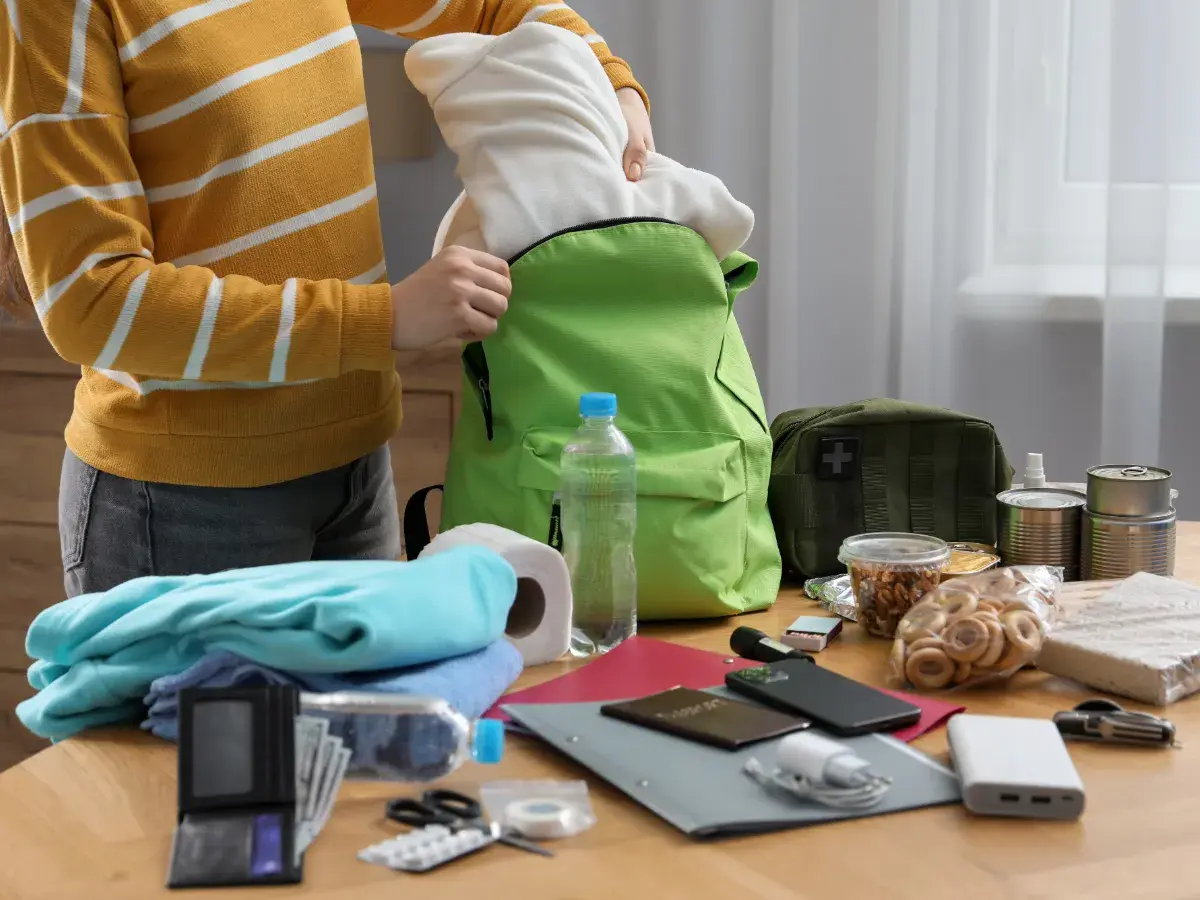
- Prepare an emergency kit for your home and car, including enough non-perishable food and water for your family for three days.
- Gather your essential documents, including your insurance policy, bank account records, identification cards, and other critical items. Log in to MY180 to download a digital version of your Orion180 Home Insurance policy.
- Ensure your car has a full fuel tank.
- Refill heating fuel, oil, or propane as necessary for your heating equipment or back-up generator.
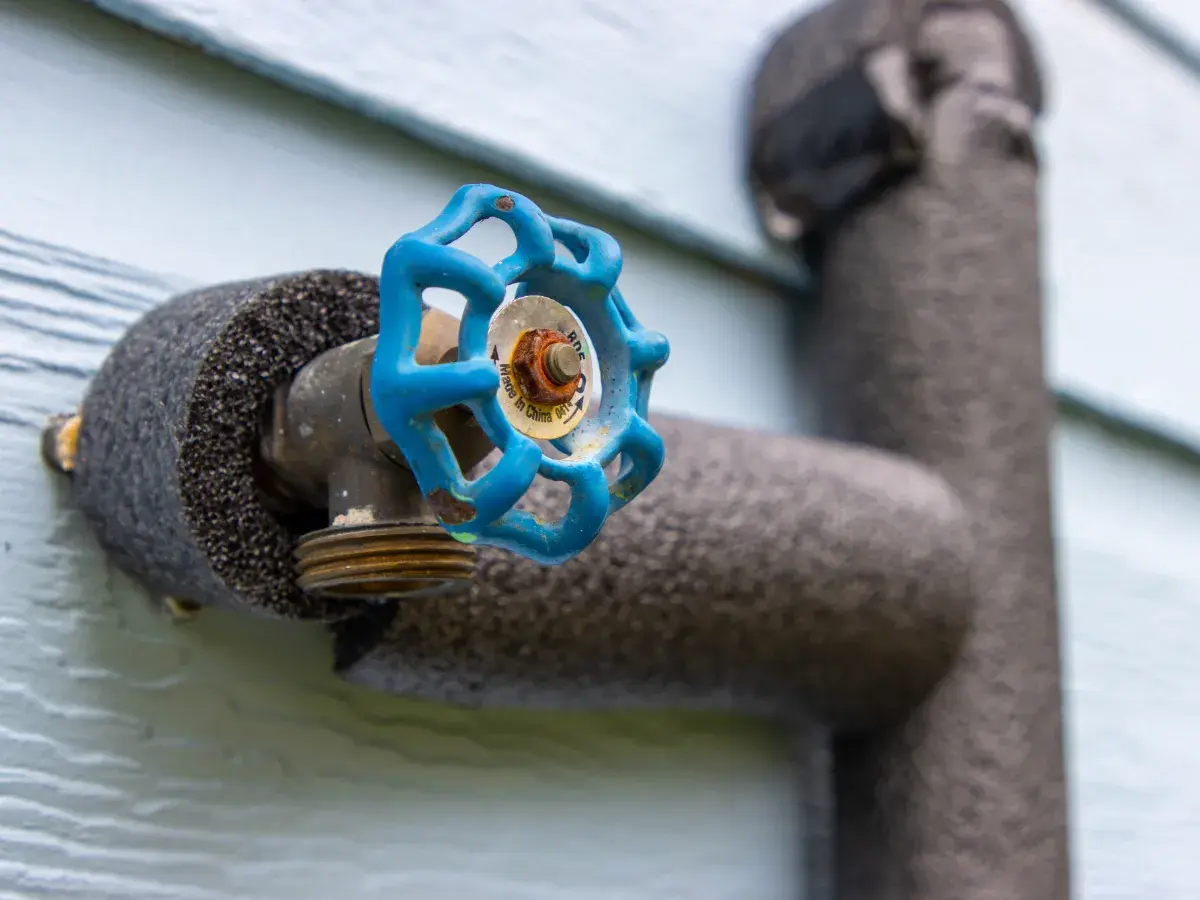
- Prepare your pipes to avoid freezing by wrapping them in foam pipe insulation or fiberglass sleeves. Use heat tape on pipes particularly vulnerable to the cold. Cover and wrap any exterior faucets, and disconnect all garden hoses. As temperatures drop, let your faucets drip a little to maintain water flow.
- Set your refrigerator and freezer to their coldest settings in case of power outages.
- Track when your fireplace and chimney was last cleaned, to know if they are safe for use. Stockpile dry firewood if so.
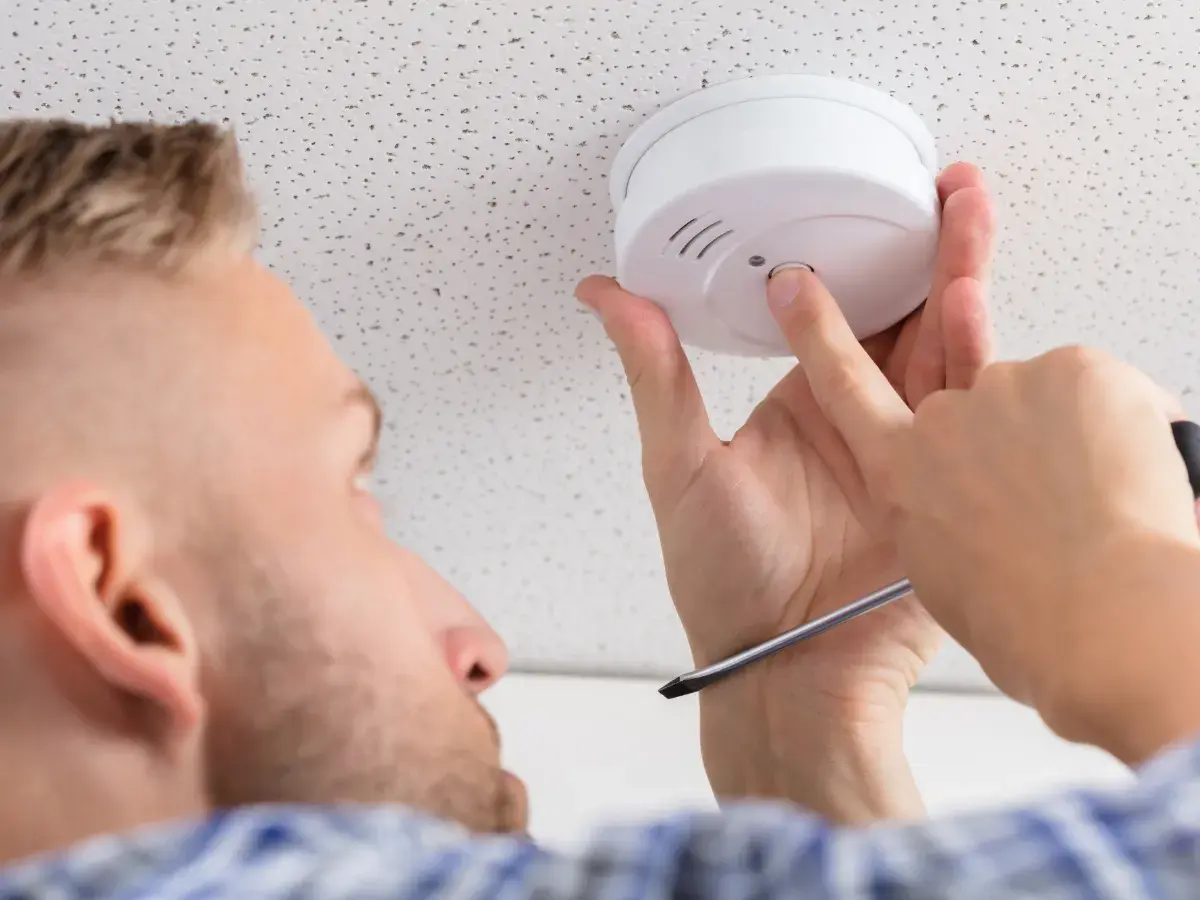
- Test your fire and carbon monoxide alarms to ensure they are in working order.
- Clear your rain gutters to prevent snow and ice build up.
During the Storm
During a winter storm, the best thing you can do is stay indoors. Your home provides vital shelter and you should only leave in cases of emergency.
If you do need to leave your home, check road and weather conditions, and make sure your car is fully prepared with a stocked emergency kit. Share your route and estimated arrival time, and check in with your progress.
Wind, snow, and ice can all create conditions that strain power supplies and power lines. Power outages are not uncommon in winter storms, and harsh conditions can make it difficult for teams to make repairs.
In case of a power outage during a winter storm:
- Report the outage to your utility company.
- Close blinds and curtains, or hang blankets over windows to provide additional insulation.
- Place towels or blankets in the cracks under doors to prevent drafts.
- Close off unneeded rooms to conserve heat.
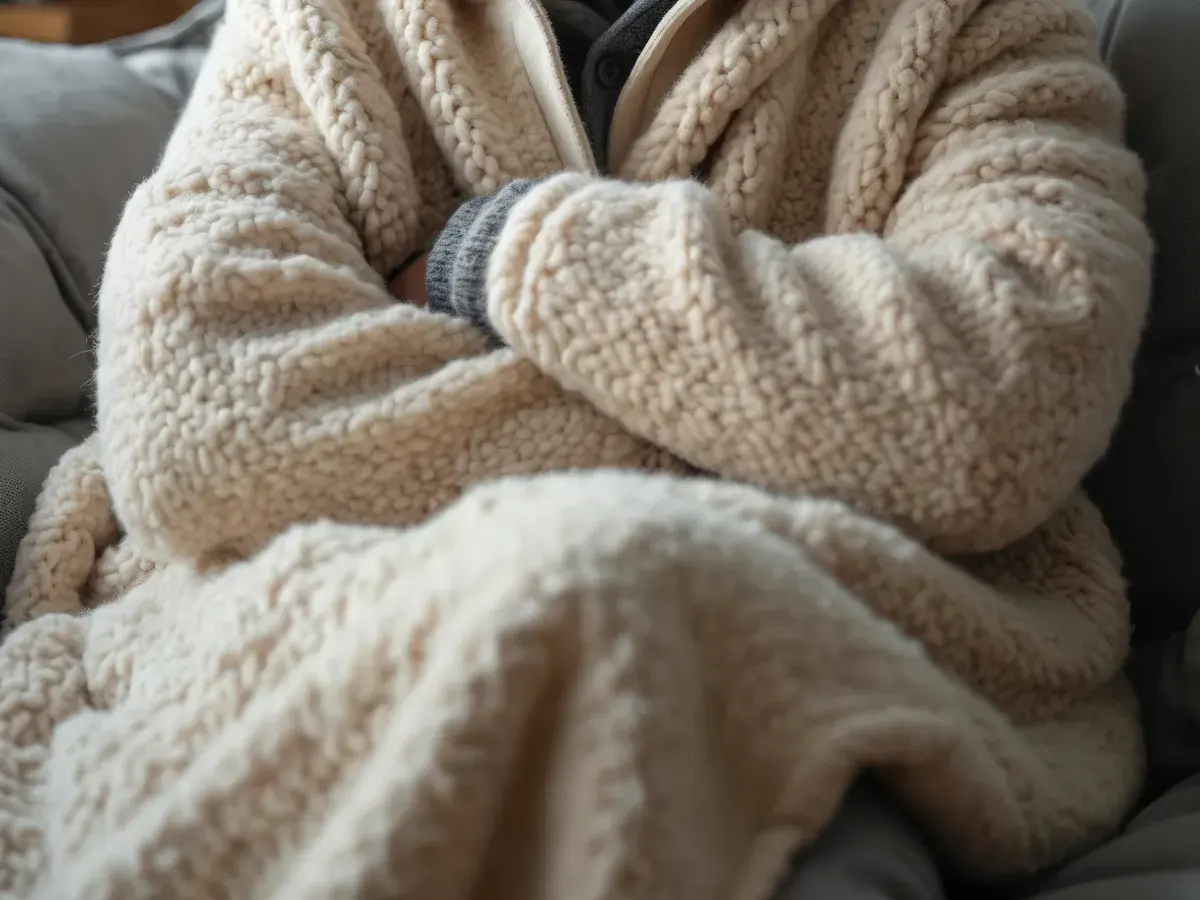
- Dress in layers, including hats and gloves or mittens, and add blankets to stay warm.
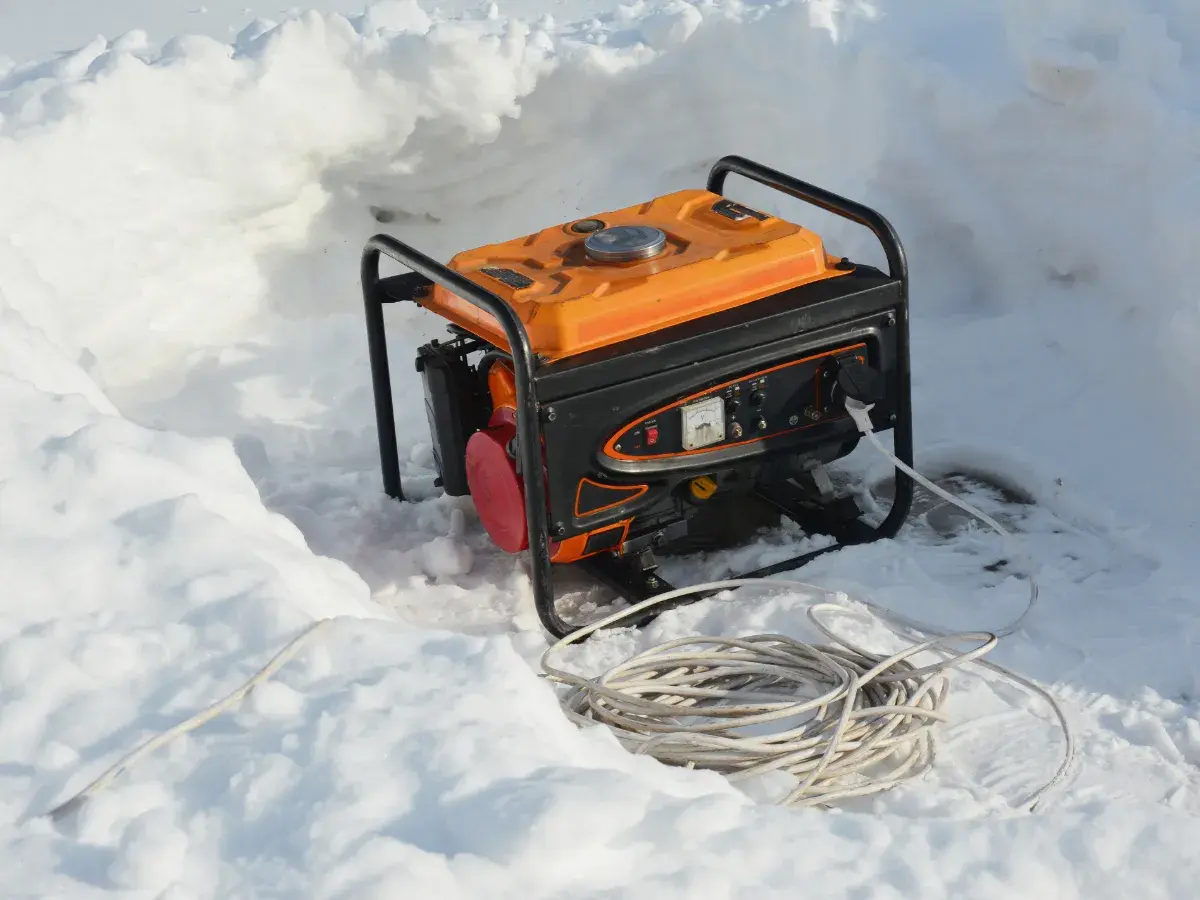
- Use back-up generators safely, at least 20 feet away from your doors, windows, or garage to ensure proper ventilation and prevent carbon monoxide poisoning.
- Practice fireplace and chimney safety.
- Never use a gas stove or oven to heat your home.
- Protect your appliances and electronics by disconnecting them until power is restored.

After the Storm
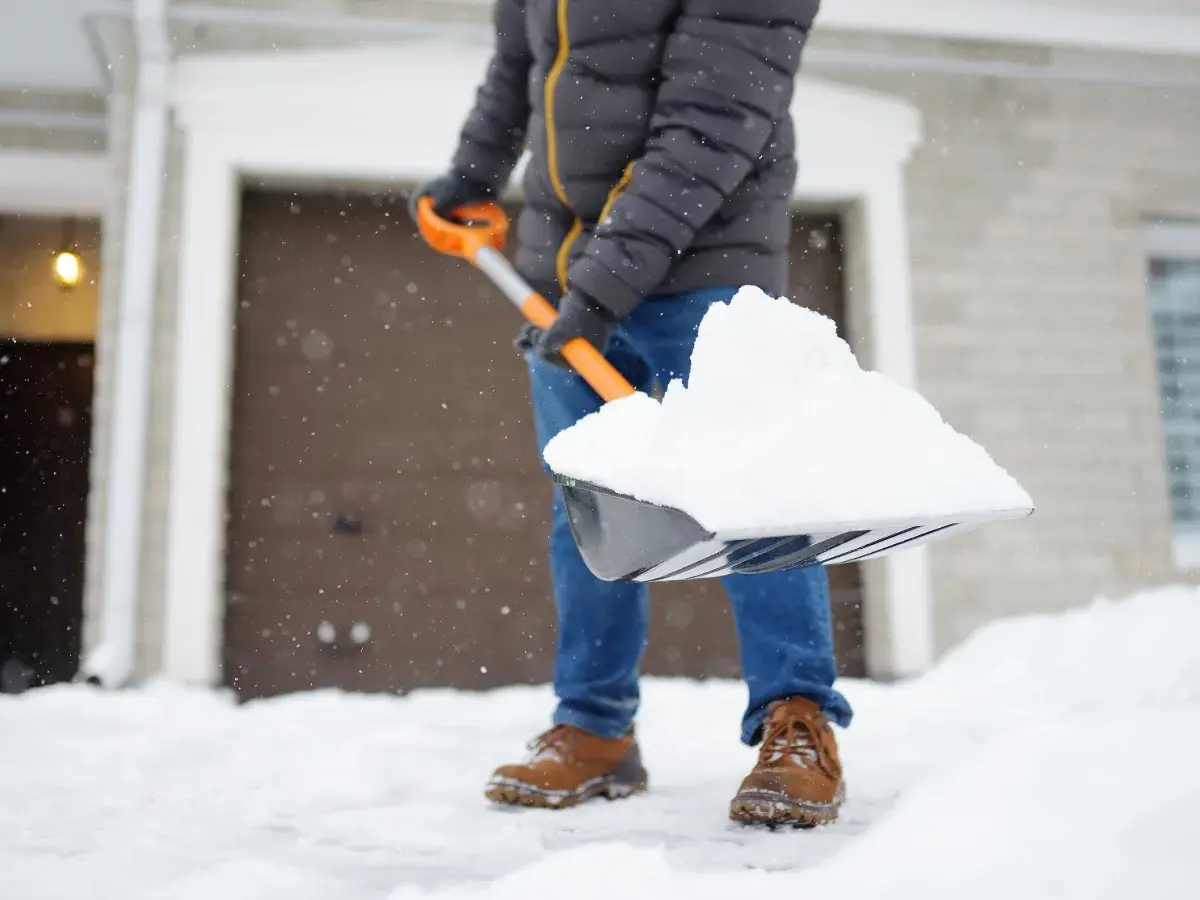
When clearing your driveway and sidewalks after a winter storm, take frequent breaks and don’t over exert yourself. Heavy activity – like shoveling snow – is particularly dangerous in low temperatures. Cold conditions lead to restricted blood vessels, and place additional stress on your heart and respiratory system. Be sure to dress in layers, stay hydrated, and pay attention to your body.
Stay informed on local road conditions, and check with your local utilities on water quality and power restoration.
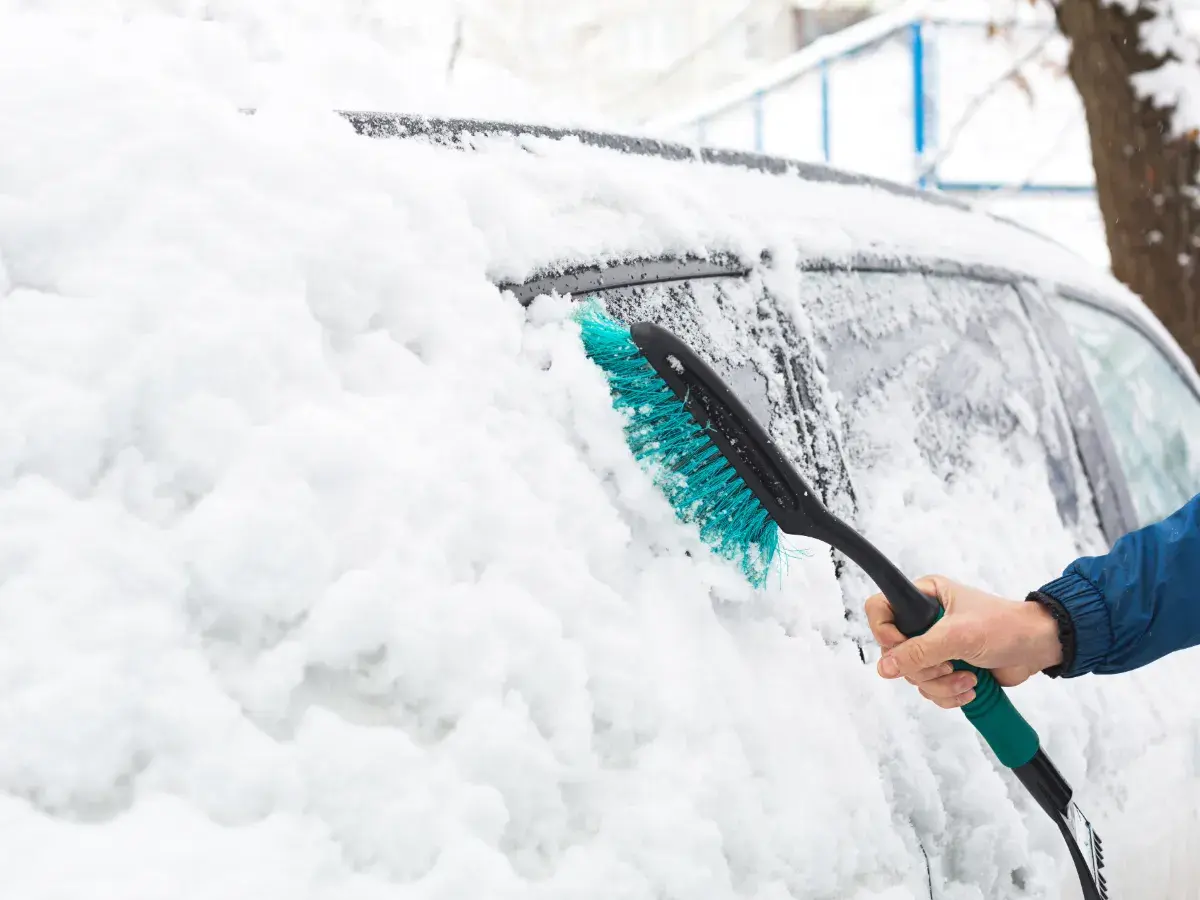
If you need to leave your home, be sure your car is completely cleared of snow, including the windshield and roof. Any snow left on your car can fly off when driving, and cause an accident.