In Part 4 of Orion180’s Flood Success Stories blog series, we continue sharing real-world guidance from some of our top-performing Flood Insurance agents: Chance Hazeltine (Sarasota, FL), Jordan Altenhof (Rockledge, FL), and Matthew Brooks (Biloxi, MS). This installment shifts the conversation from flood risk to financial recovery, giving agents the data, real-world proof, and client-ready talking points to turn flood insurance from an optional add-on into one of the most important protection conversations they can have.
Why Flood Insurance Is Really a Financial Recovery Plan
Most homeowners think about flood insurance as protection against water. But top-performing agents know the stronger conversation starts after the water recedes.
Once a flood happens, the question is no longer whether the client lives in a high-risk zone, whether the storm had a name, or whether the forecast looked serious enough. The question becomes much more immediate:
How is this homeowner going to pay to recover?
That is the gap many clients are not prepared for. They may believe their homeowners policy will step in. They may assume federal disaster assistance will make them whole. They may think a small amount of water could only cause a small amount of damage.
In reality, flood recovery is often more expensive, more complicated, and more financially disruptive than clients expect. That is why successful flood agents do not position flood insurance as an extra policy. They position it as a financial recovery plan.
“I’ll Get Help If Something Happens”
One of the biggest barriers agents face is not always price. It is misplaced confidence.
Federal disaster assistance is not the same thing as insurance. It may depend on a presidential disaster declaration, it may not cover the full loss, and when assistance comes as a loan, it must be repaid. That is very different from having a dedicated flood insurance policy before the loss.
Chance puts the exposure plainly: “If it rains where you live, you’re in a flood zone. The map just tells you how much the government cares about it. I care about your equity.”
That mindset changes the conversation. Instead of asking clients to imagine the flood, ask them to imagine the financial aftermath.
Would they use savings? Credit cards? A loan? Would they keep paying their mortgage while also paying for repairs? Could they replace damaged flooring, drywall, appliances, furniture, and personal belongings without delaying recovery?
That is when the need becomes real.
Small Water, Big Cost
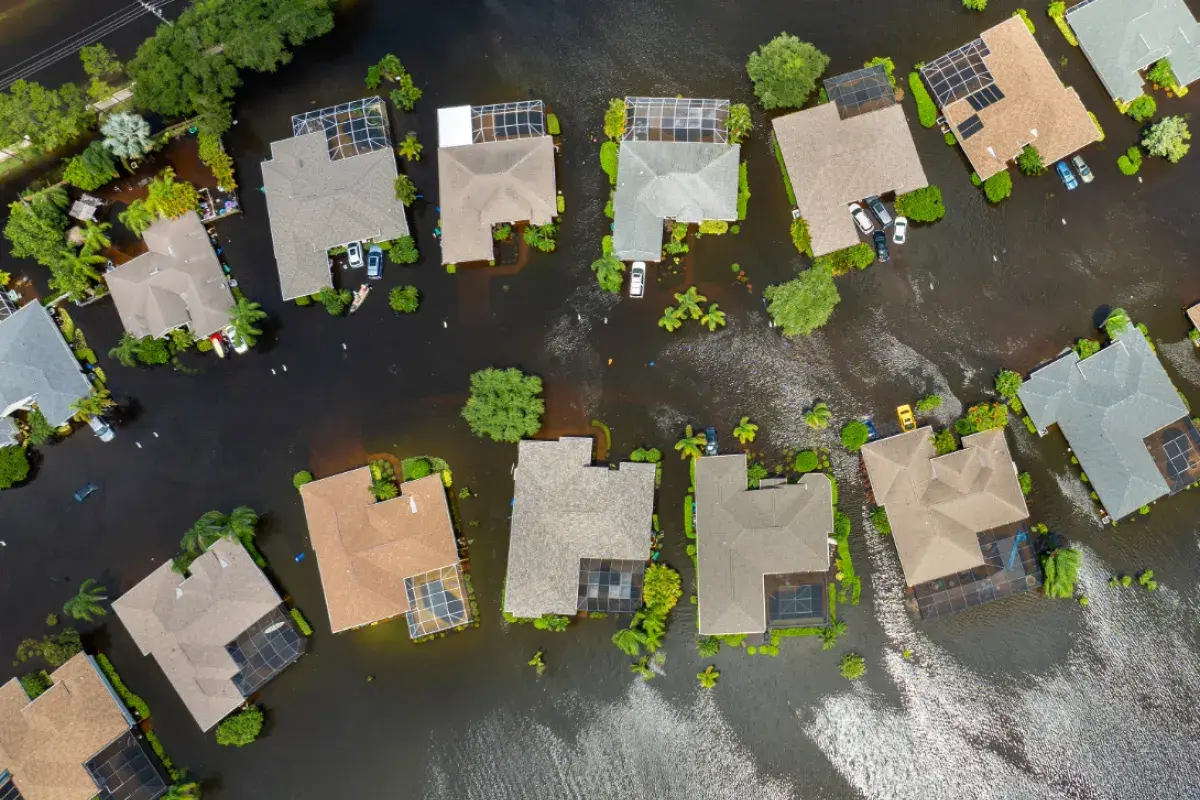
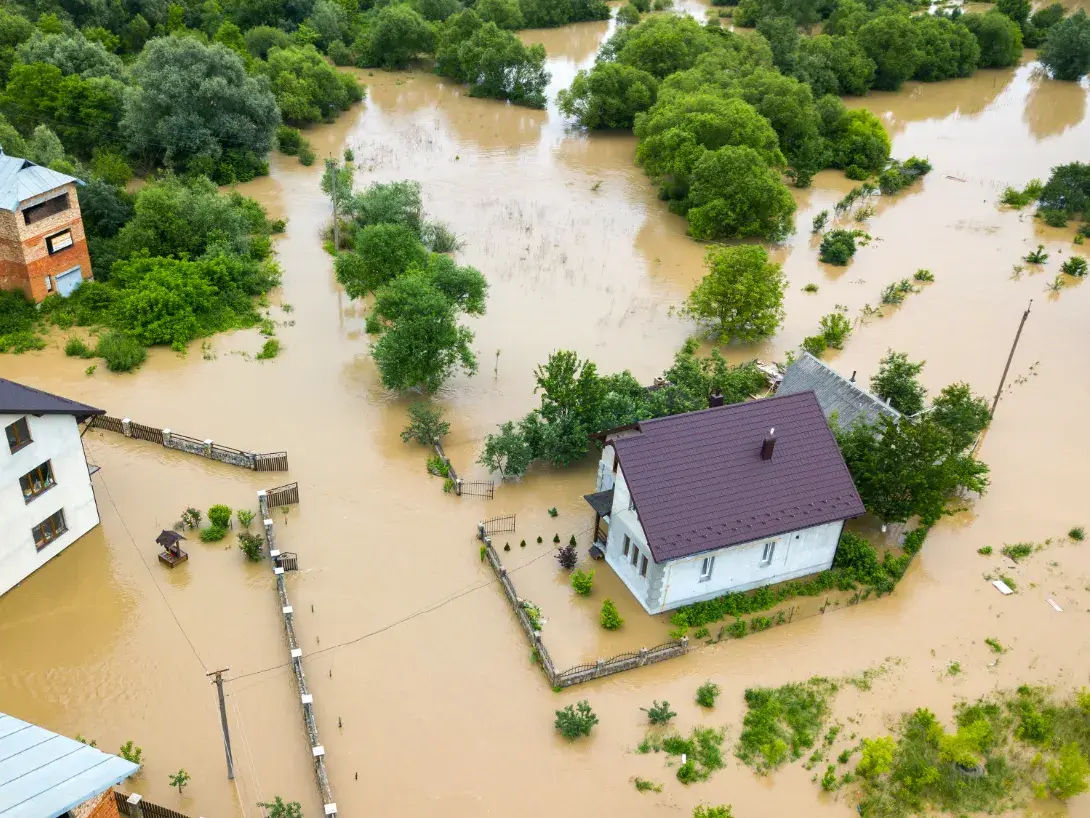
Flood damage can escalate quickly. FEMA has stated that just one inch of floodwater can cause over $25,000 in damage to a home. One inch does not sound catastrophic, but once water reaches flooring, baseboards, drywall, insulation, electrical systems, furniture, and contents, the cost adds up fast.
The broader data tell the same story:
- Between 2003 and 2023, 99% of U.S. counties experienced a flood event.
- The NFIP has received more than 2.6 million claims over its 55-year history.
- From 2019 to 2023, the average NFIP claim payment was $52,000.
- From 2013 to 2023, one-third of NFIP flood claims came from areas outside current high-risk flood areas.
- From 2016 to 2022, the average FEMA disaster assistance grant award was $3,000, while the NFIP paid an average claim amount of more than $66,000 during the same period.
For agents, the point is simple: even a minor flood can create a major financial decision.
A strong client-facing script could sound like this:
“My job is to help you insure the home. But it is also to help make sure you have a realistic way to recover if something happens. A few inches of water can create tens of thousands of dollars in damage, and your homeowners policy is not built to cover flood. Flood insurance gives you a recovery plan before you need one.”
NC Couple’s Story on Flood Recovery
One couple in Green Mountain, North Carolina, had lived on their property for 28 years. Their home sat uphill from the North Toe River, about 250 feet from the water, and according to them, it had never flooded before.
Then Hurricane Helene hit.
As the river surged, the couple took refuge in their barn for three days with no water, no power, and no clear path out. When the floodwaters receded, their vehicles were destroyed, the garage full of tools was gone, their art studio was ruined, and nearly everything inside the home was lost.
They did not have flood insurance. Their homeowners policy covered only part of the roof damage and flood loss, resulting in a $1,300 check. FEMA provided about $31,000, but that amount was not enough to finish even a small replacement building with plumbing. Months later, they were still living on their property in a donated camper while a nonprofit worked toward helping them rebuild.
For agents, this story makes the recovery gap real. The loss was not just structural. It was transportation, tools, personal belongings, creative space, utilities, normal routines, and financial control disrupted all at once.
Jordan Altenhof recommends using timing to your advantage. New homeowners may feel cash-poor at closing, but that does not mean the flood conversation is over. A second look 60 to 90 days later can meet the client at a more comfortable moment, when they are better able to think about long-term protection instead of immediate closing costs.
Matthew Brooks also points agents back to urgency. Flood risk does not always give clients a 30-day warning. Private flood options through Orion180 offer a more responsive alternative with a waiting period of 10 days or less, helping agents give clients a faster path to protection.
Use simple, memorable responses to common objections:
Client says: “I’m not in a high-risk flood zone.”
Agent response: “That helps explain part of your risk, but it does not explain how you would recover financially if water entered the home.”
Client says: “I’ll just deal with it if it ever happens.”
Agent response: “That usually means using savings, credit, or loans. A flood policy gives you a dedicated recovery option instead of forcing you to create a plan during a crisis.”
Client says: “Won’t FEMA help?”
Agent response: “Federal assistance is not guaranteed, and when assistance is available, it may not be enough to cover the full loss. It can also come as a loan. Flood insurance is designed to respond to the covered flood loss itself.”
Why Orion180 Flood Helps Agents Lead
With Orion180 Flood, agents can give clients a practical solution before the recovery gap becomes a real loss.
Our fast quoting process makes it easy to introduce flood coverage during the normal homeowners conversation, while rooftop-level geocoding helps evaluate the specific property instead of relying only on broad assumptions. That gives agents a stronger, more informed way to talk about flood risk and financial preparedness.
Private flood options can also help agents show clients that coverage may be more accessible than they expected. Instead of allowing clients to assume flood insurance is too expensive, too complicated, or only necessary in certain areas, agents can quickly provide a real quote and a real recovery option.
Talk to your clients about how after the water recedes, Orion180 will help you have a plan to recover financially.
Orion180 currently offers private Flood Insurance in CA, AZ, CO, MS, AL, GA, SC, NC, FL, OH, and IL, and will be expanding into more territories soon.
If you have contracts in these territories, log into the MY180 portal today to run a flood quote and help your clients build a stronger recovery plan before they need one. Onboard with Orion180 and become one of our valued, trusted agent partners.