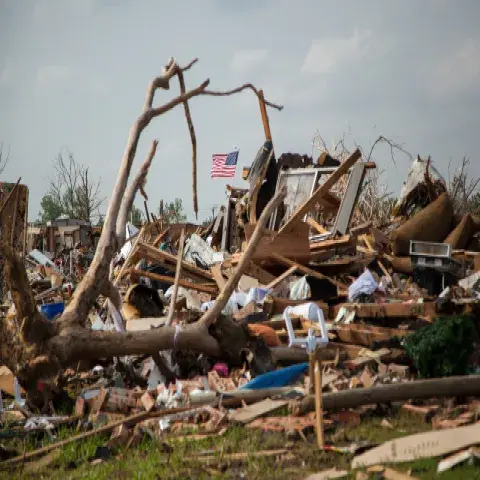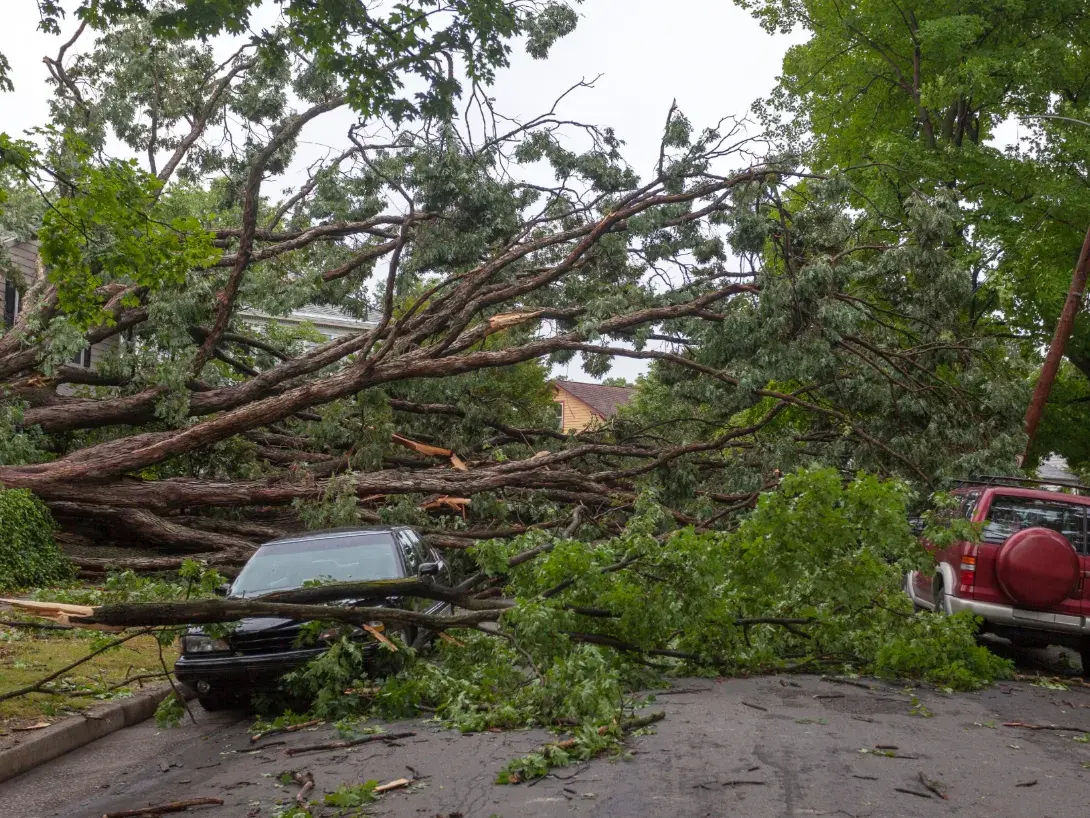
When a storm is over, it may feel like the danger has passed. However, the conditions left behind by a hurricane can still be extremely hazardous, and there are some important things you should do to protect your physical and financial safety.
Stay informed and follow official Guidance
If you evacuated, make sure you wait for the ‘all clear’ from local emergency departments before returning home. Returning to a hard-hit area before storm debris has been cleared is dangerous, particularly downed power lines.
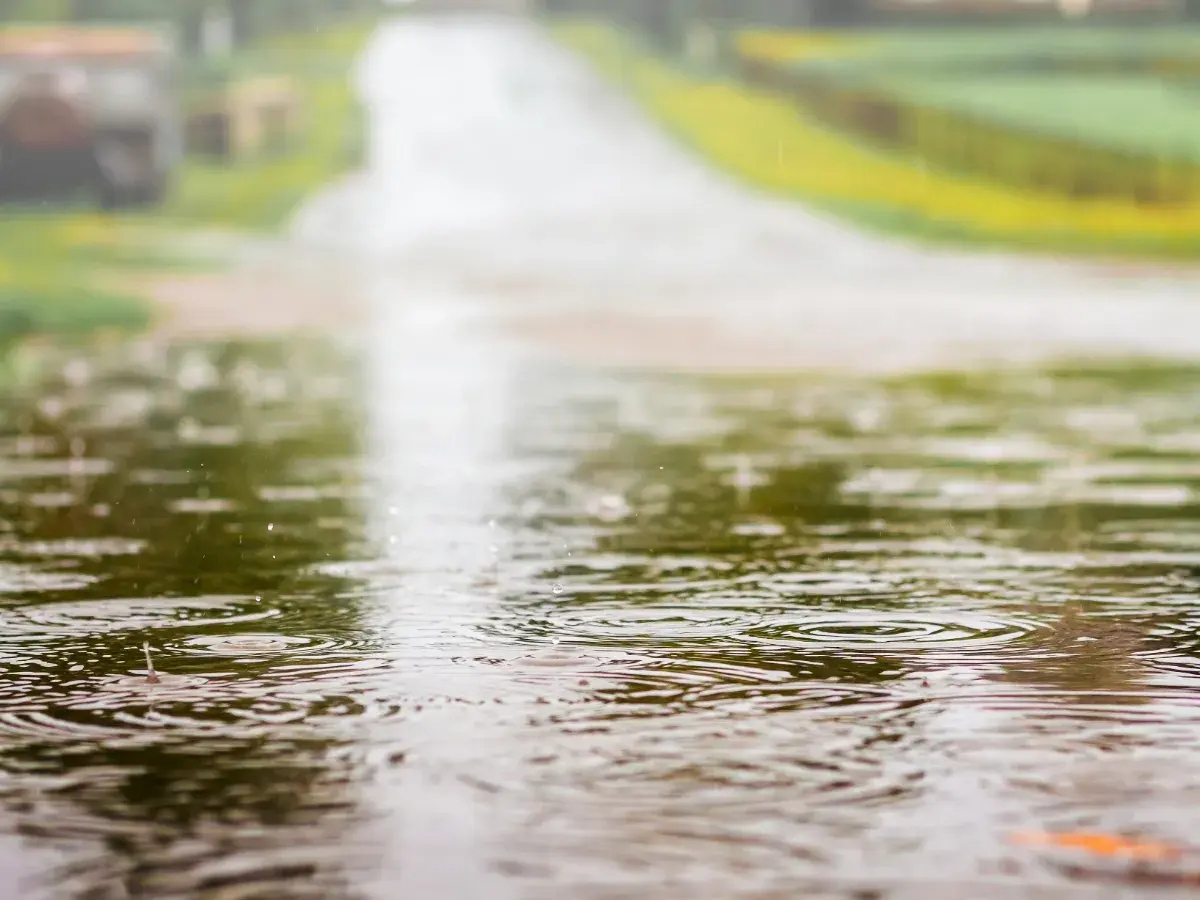
Crucially, do not drive through flood waters. Your car could be swept away by as little as 6 inches of moving water. If you come into contact with flood water, you should wash your hands thoroughly as it can contain chemicals and even bacteria from sewage.
Use Caution as You Assess Damage
Be patient and cautious when returning home or checking for damage around your home. In particular, watch for wet electronic devices and check carefully as power supply is turned back on to make sure there are no issues with your electrical system. If in doubt, turn off supply and call in a professional.
Wear protective gear when cleaning up damage, including gloves, mask, and boots when coming in contact with anything touched by flood waters or with visible mold. Disinfect these items carefully.
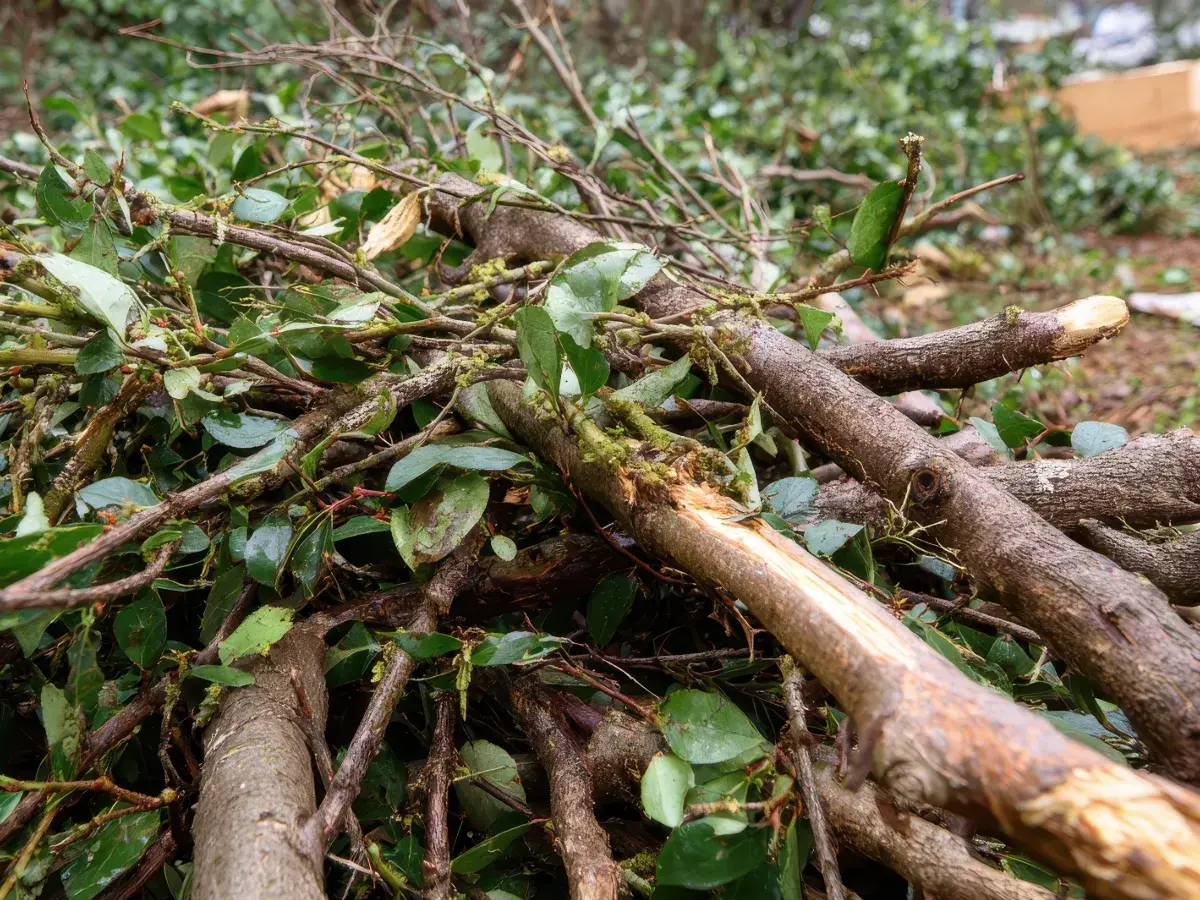
Take it slow when cleaning up debris. This is a big job, and overexertion could lead to injury or emergency medical care. According to the Red Cross, heart attacks are the leading cause of death after a hurricane. Be sure you have proper training before using any power tools.
Use Alternate Energy Supplies with Care
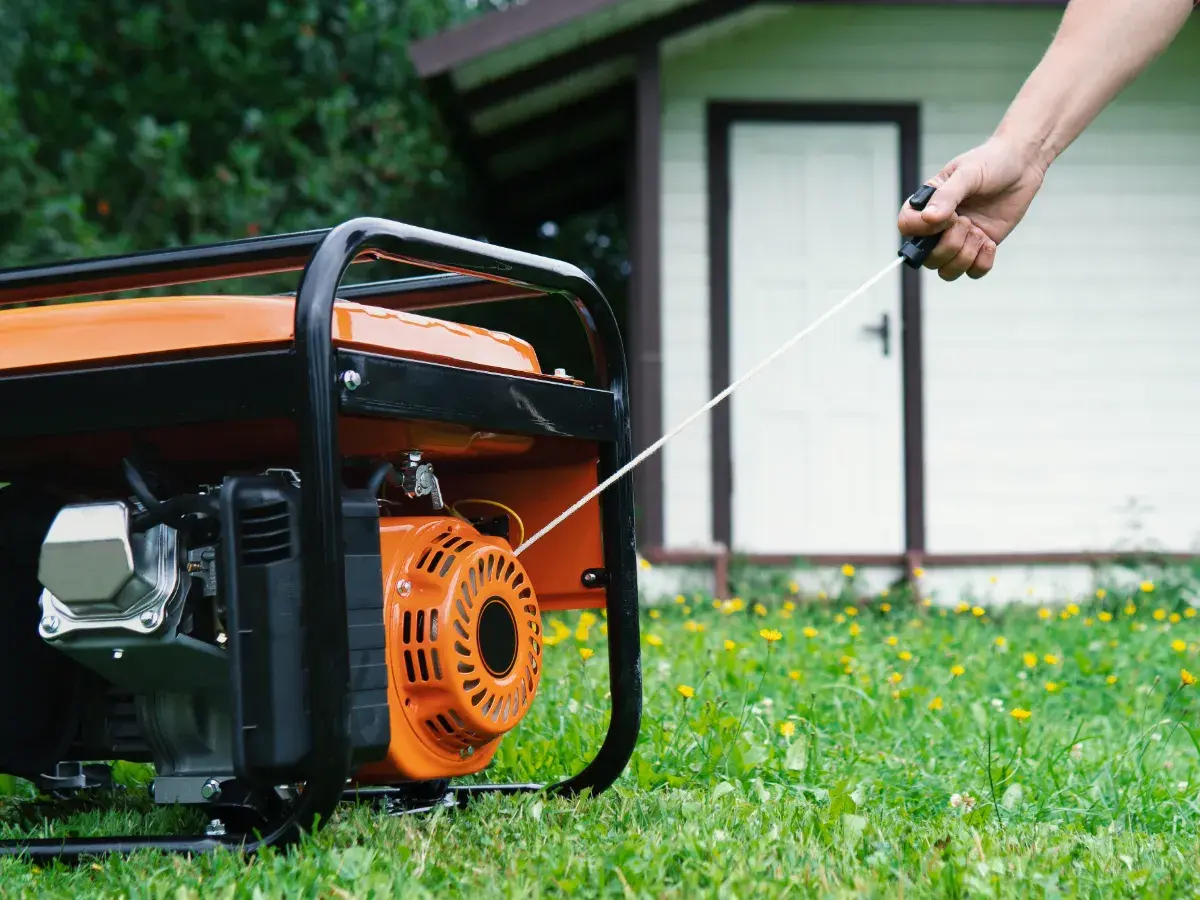
Power outages can last for days or even weeks following a storm, and having a generator is often a crucial way to restore basic functions to your home. However, generators bring their own risks that you need to mitigate.
Never operate a generator indoors, including in a garage or porch – it should not even run outside near an open window. Your generator should be at least 20 ft from your home. Generators present a real risk of carbon monoxide poisoning. If you feel dizzy or weak, you should immediately move to get fresh air. They could also cause a fire, so operate with extreme caution.
Beware Post-Disaster Scams
Sadly, another danger you need to be aware of after a storm is to your financial wellbeing. Scammers often target those who have been hardest hit by natural disasters, taking advantage to commit fraud. Read our guide to avoiding these scammers, and report any suspicious activity to keep your neighbors and community safe.
File a Claim
If you need to file an insurance claim, do so as soon as you safely can. Prompt action means you’ll get faster support.
With Orion180, you can start your claim online or in MY180, or contact your agent for help. You’ll need your policy number, and you should include as much information as possible, including photos for documentation. Our Claims team will get in touch and explain the next steps, and guide you through the full process. You can track your claim’s progress in MY180, and reach our claims team for support. We’re here to help you recover!