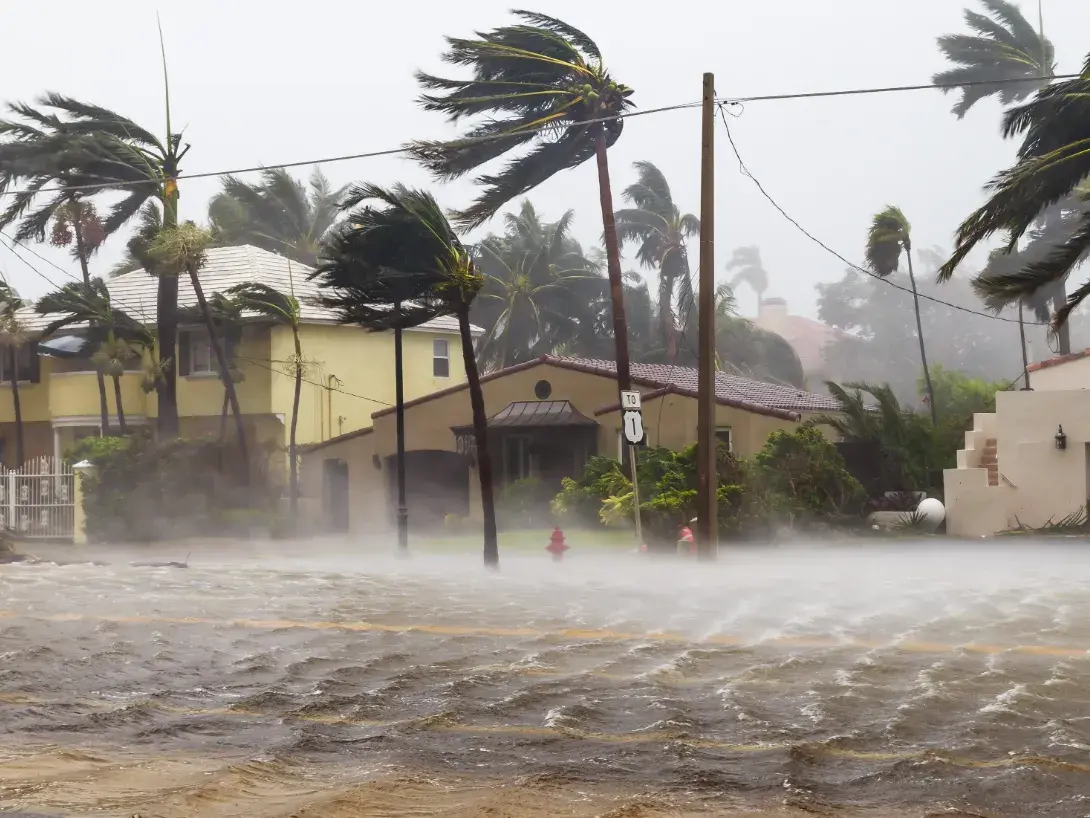
Time is crucial when a storm is on the way. Things can change quickly, and it’s always best to be prepared for serious conditions. Start your basic preparations early, so that you won’t be caught off guard if you need to secure your home and evacuate.
Follow these steps to get ready for an incoming storm, and stay safe!
1. Review or Develop Your Emergency Plan
An emergency plan is a critical way to make sure your family all knows what to do before, during, and after a storm. If you do not have an emergency plan in place, find some key planning tips here. Go over your emergency plan with your entire household. Track the expected conditions for this specific storm, and fill in details or make any adjustments needed. For example, determine potential evacuation routes and specific locations or shelters so you’ll be ready. Once you’ve determined your plan, communicate it to a friend or family member outside the affected area, and plan to update them periodically to confirm you are safe.
2. Check or Build your Emergency Kit
Your hurricane Emergency Kit is something you may end up using whether you shelter in place or have to evacuate. If you don’t have a basic kit built up, learn more about what you should include here.
If you built a kit at the start of Hurricane Season, check it now to make sure you still have everything you need. Maybe the extra batteries were grabbed for toy, or some of your canned food for a quick recipe. Now is the time to make sure you’re fully stocked.
You should also make a list of key items that you don’t keep with your kit, but would need to include if you have to evacuate. This might mean a family member’s medication, or key documents you want to keep safe. Be sure to have downloaded and printed copies of your insurance policy, which you can access in MY180.
Keep all your devices charged, and be sure to fill up all your vehicles with gas as heavy damage may cause supply disruptions. If you have a generator, make sure you have ample fuel for it as well.
3. Update Your Home Inventory
Your home inventory is a record of your belongings that you can use if you need to make an insurance claim. This is something you should update regularly – learn more here if you’re just getting started.
If you already have a home inventory, take a moment to look through it and make sure you’ve documented any recent purchases.
5. Prepare Your Home
Take some key steps to prevent damage to your home.
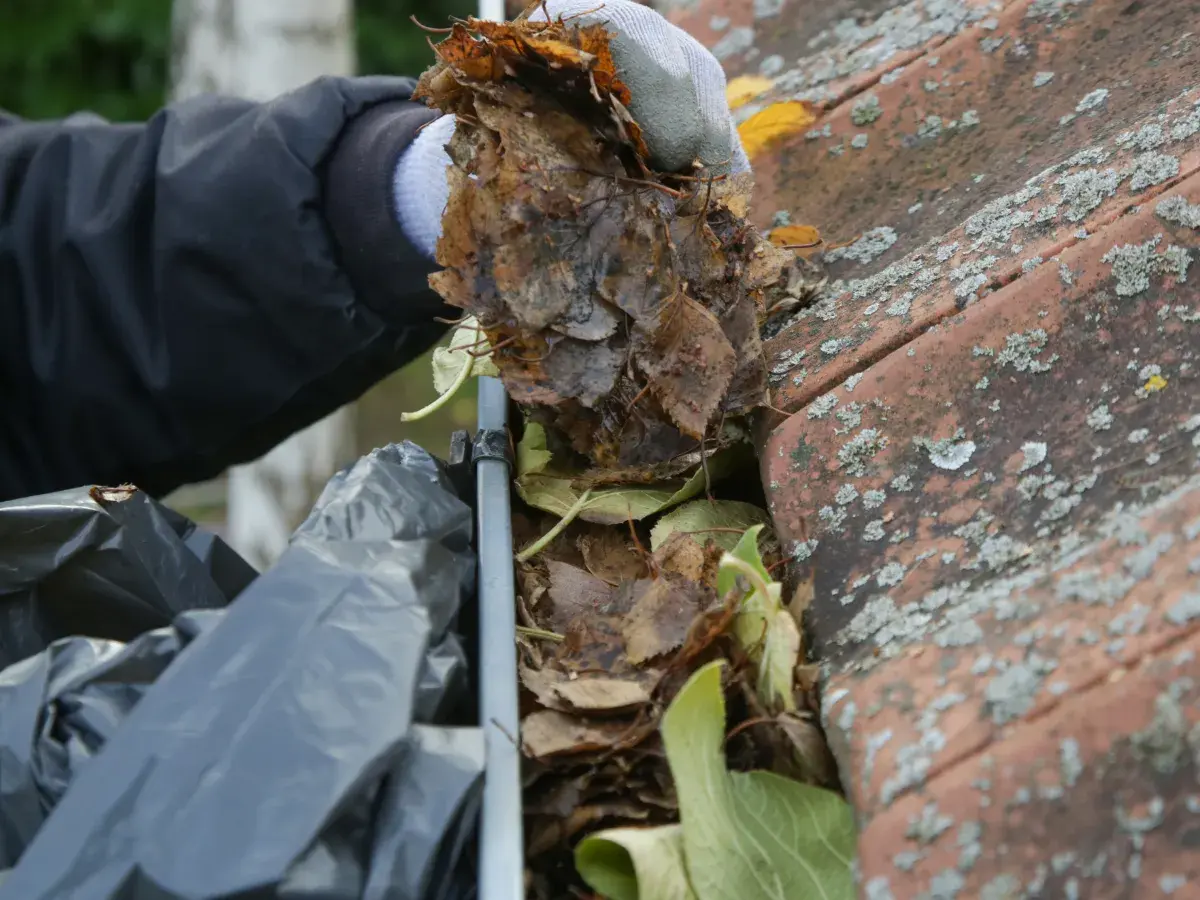
- Clear gutters and drains to prevent water buildup
- Trim trees and shrubs to reduce the risk of falling branches
- Secure loose outdoor items like patio furniture, bringing what you can inside.
- Anchor items you can’t secure inside, and propane tanks and fuel containers.
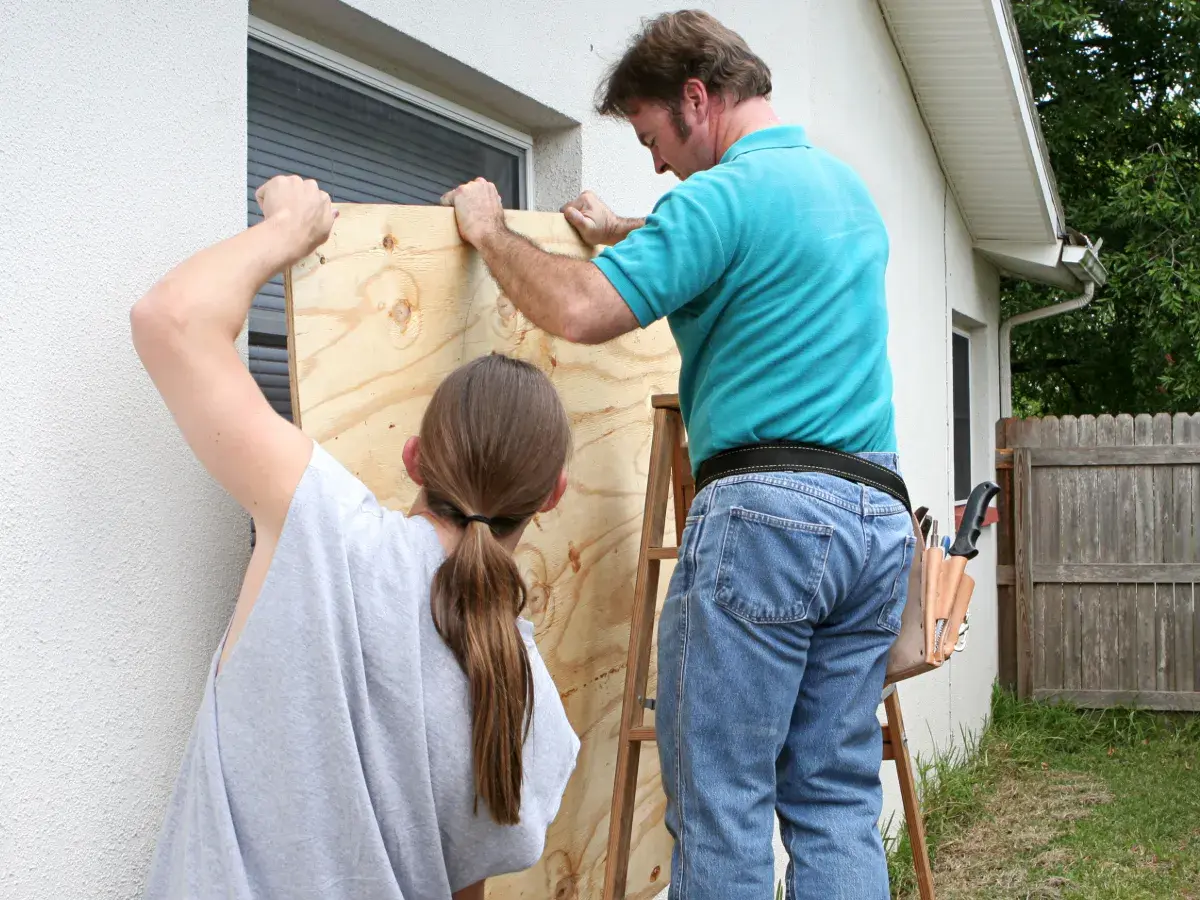
- Close storm shutters or board up windows and doors.
- Reinforce garage doors.
- If evacuating, unplug electronics and most appliances. Turn off water, gas, and electricity if instructed to do so.
- If sheltering in place, prepare a safe room or area on the lowest floor of your home, away from windows.
5. Track the Storm and Official Guidance
Watch your local news and track the storm with NOAA’s National Hurricane Center. Staying informed with the latest available forecast is crucial to planning for your safety – you can learn more here, and find our list of trusted emergency resources here.
One very important notification to watch for is an evacuation order.
Obey mandatory evacuation orders. This means that you must leave the area immediately, and failure to comply can put you and your family at serious risk.
Consider evacuating even if the order is voluntary. This means that you are encouraged to leave the area, but it is not mandatory. Remember that even if you weather the storm just fine, your area may suffer from power outages, road blockages, and supply disruptions after the storm.
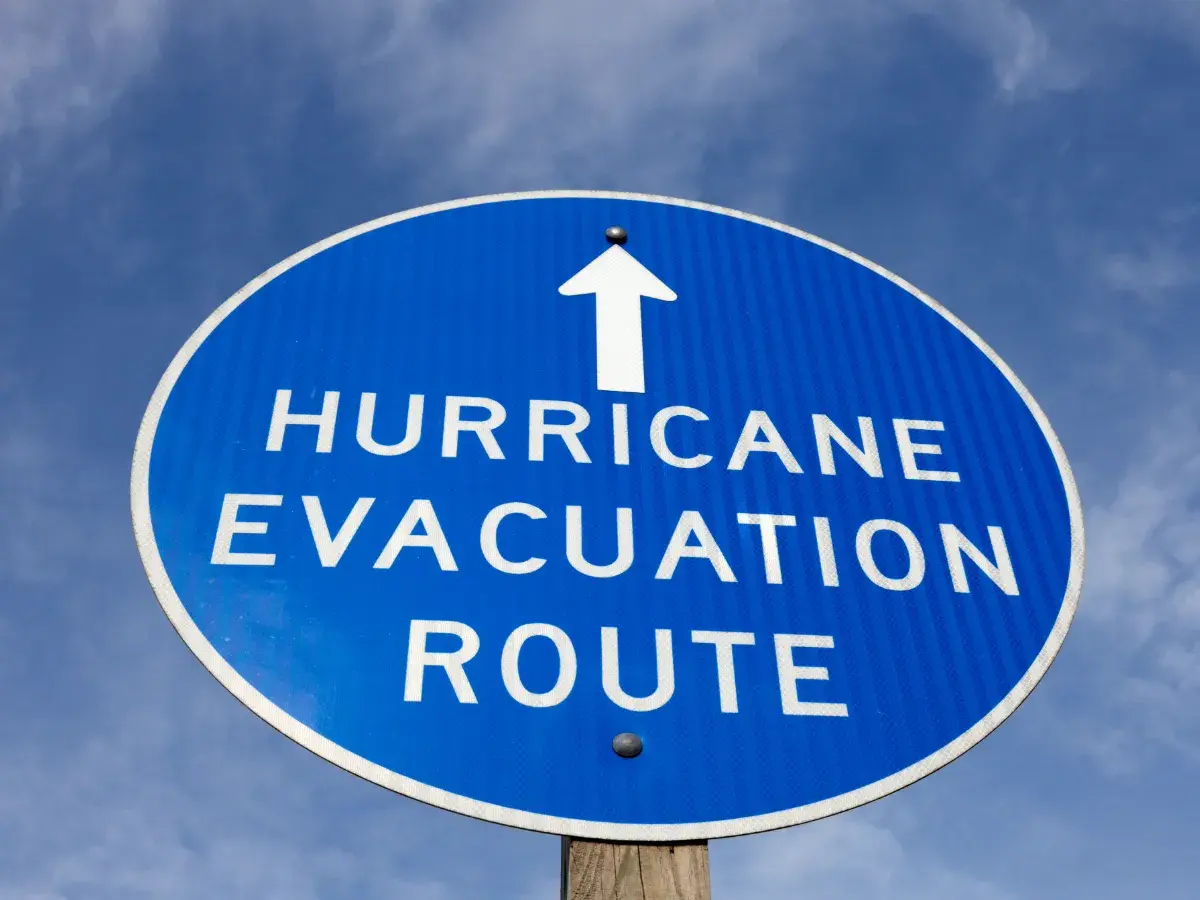
If you need to evacuate, be sure to use official evacuation routes, as you may encounter road closures on back routes.
Stay safe during the storm, and read this post for tips on staying safe once it's passed!
References:
Centers for Disease Control and Prevention: Preparing for Hurricanes