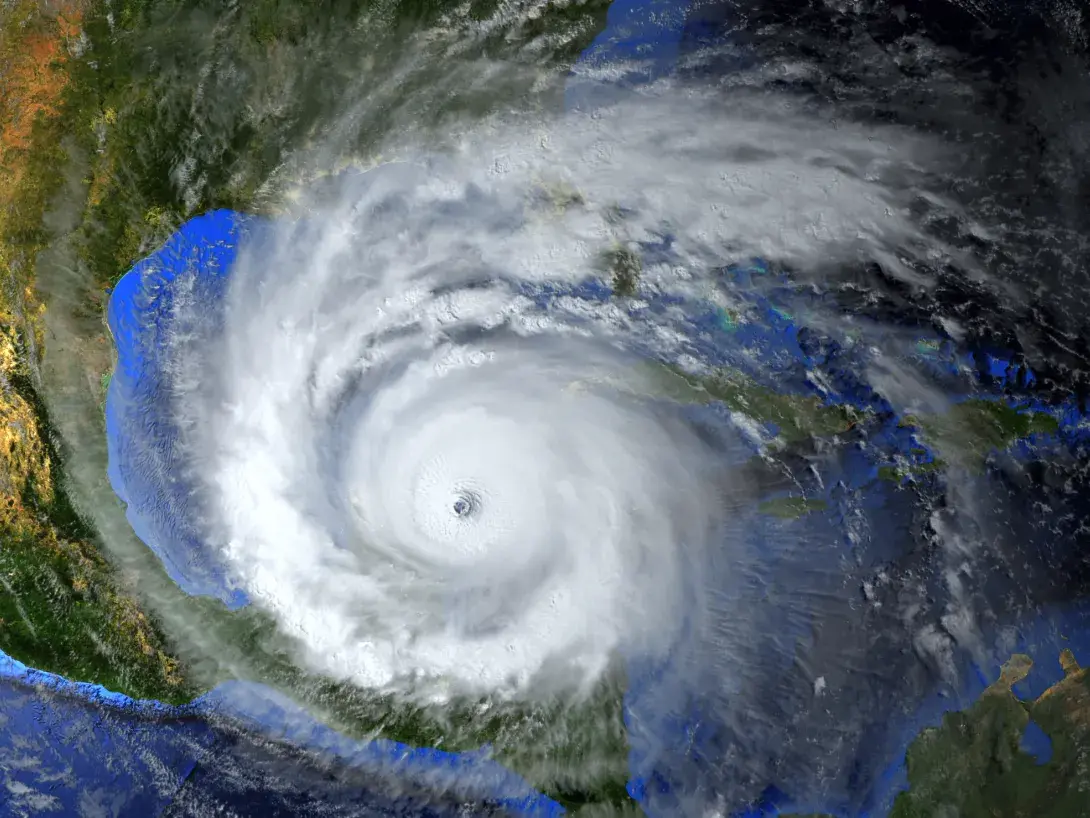
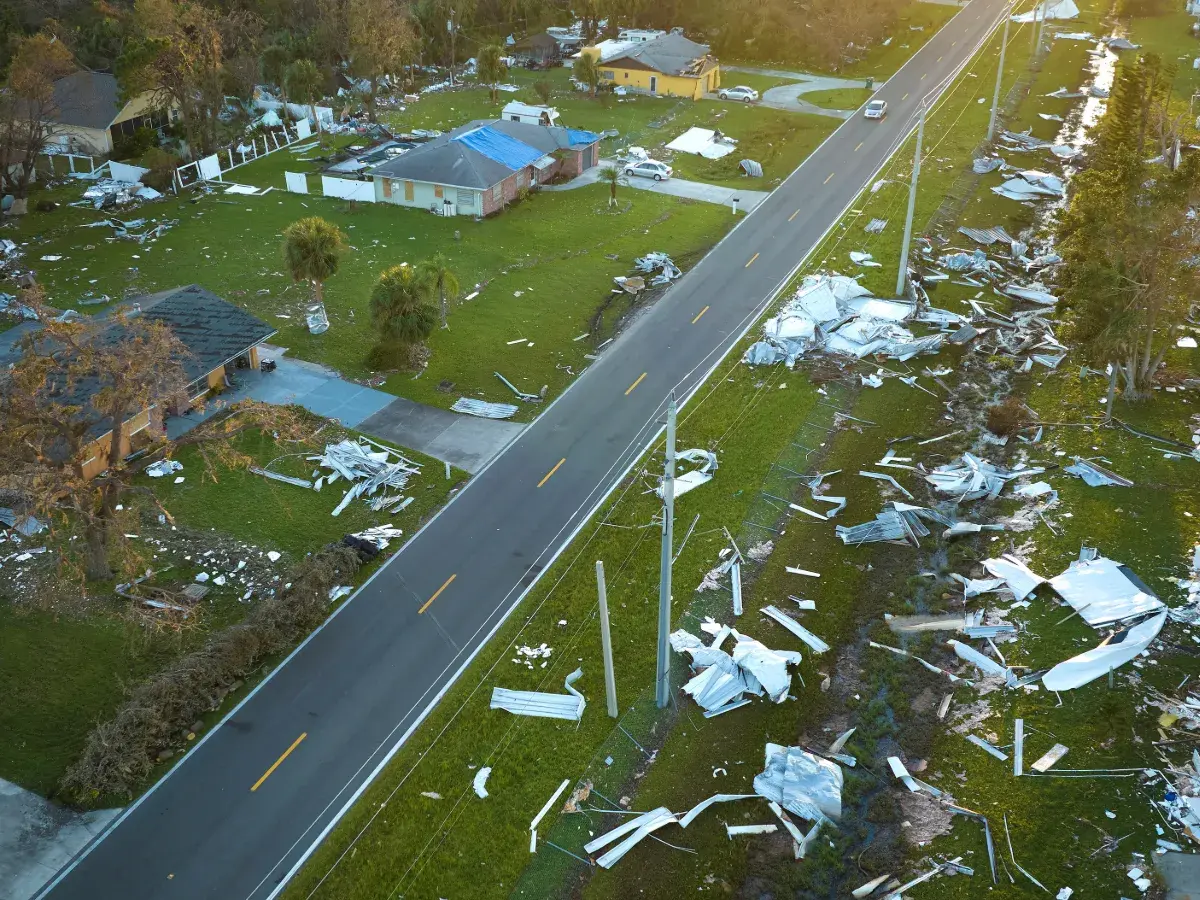
An incoming hurricane is stressful. To keep your home, your belongings, and your family safe, you have to stay well-informed and prepared. You also have to be ready to change plans and adapt to changing circumstances. That’s why it’s vital to lay the groundwork at the start of Hurricane Season.
We’ve got some tips to get your household ready for June 1, the official start of Hurricane Season along the Atlantic and Gulf. Work through this guide, so that when a storm is on the way you can focus on staying safe. Check out this post to learn more about steps you should take in the days before a hurricane strikes.
Review Your Insurance Policy
This could be as simple as checking over your policy, or it could mean meeting with your agent for an in-depth look at your coverage.
- Check your Home Insurance policy to ensure you have adequate coverage accounting for any updates you may have made to your home.
- Monitor your policy’s renewal date and payment periods to ensure your policy does not lapse at a critical time.
- Consider any additional coverage you may need, particularly Flood Insurance. If a hurricane creates storm surge, the damage caused by flooding would likely not be covered by your home insurance policy.
- Print and email copies of all your insurance policies to be sure that you have easy access to your policy numbers and claims details. Keep printed copies with your emergency kit. You can access your Orion180 policy details in MY180.

Prepare Your Home
There are many things you’ll need to do to prepare your home if a storm is on the way, but some key maintenance at the start of the season will make it easier – and keep your home safer.
- Schedule professional inspections for your roof, foundation, and drainage systems annually.
- Check your roof for visible damage, like missing or loose shingles, and inspect the flashing and seals.
- Clean your gutters, downspouts, and drains, then monitor your home’s drainage systems during rainfall and make improvements as necessary.
- Inspect your foundation for cracks. Seal smaller cracks, and schedule a professional assessment for larger ones.
- Plan for reinforcing your garage door, like with bracing kits or wind-rated upgrades.
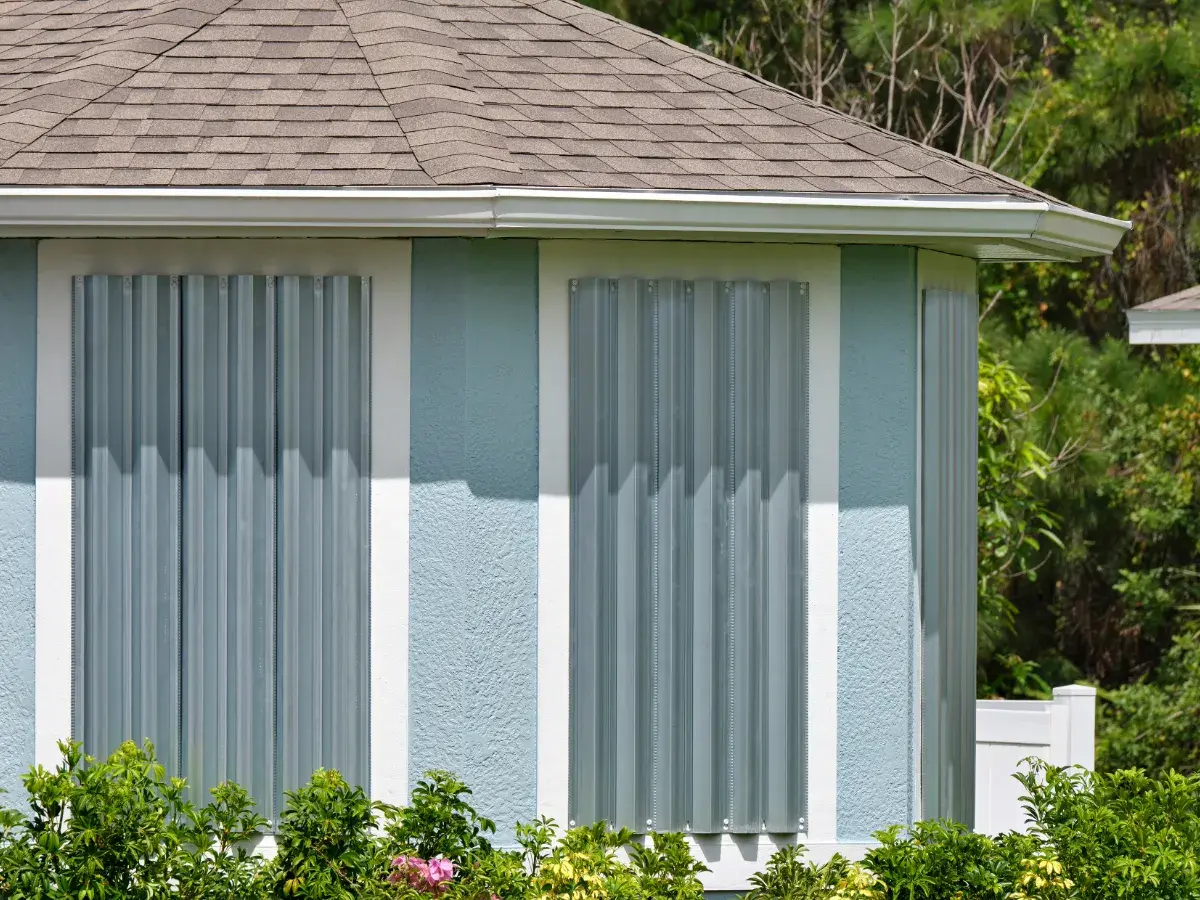
- Install storm shutters or pre-cut plywood for windows so you’re ready for a storm.
- Seal doors and windows with caulk and weather stripping.
- Elevate HVAC units, pool pumps, and generators above potential flood levels.
- Ensure fencing and gates are secure to prevent breakaway panels.
- Consider installing water alarms and sump pumps in flood-prone areas.
- Get and/or test backup power sources, like generators. Be sure you understand how to operate this equipment safely.
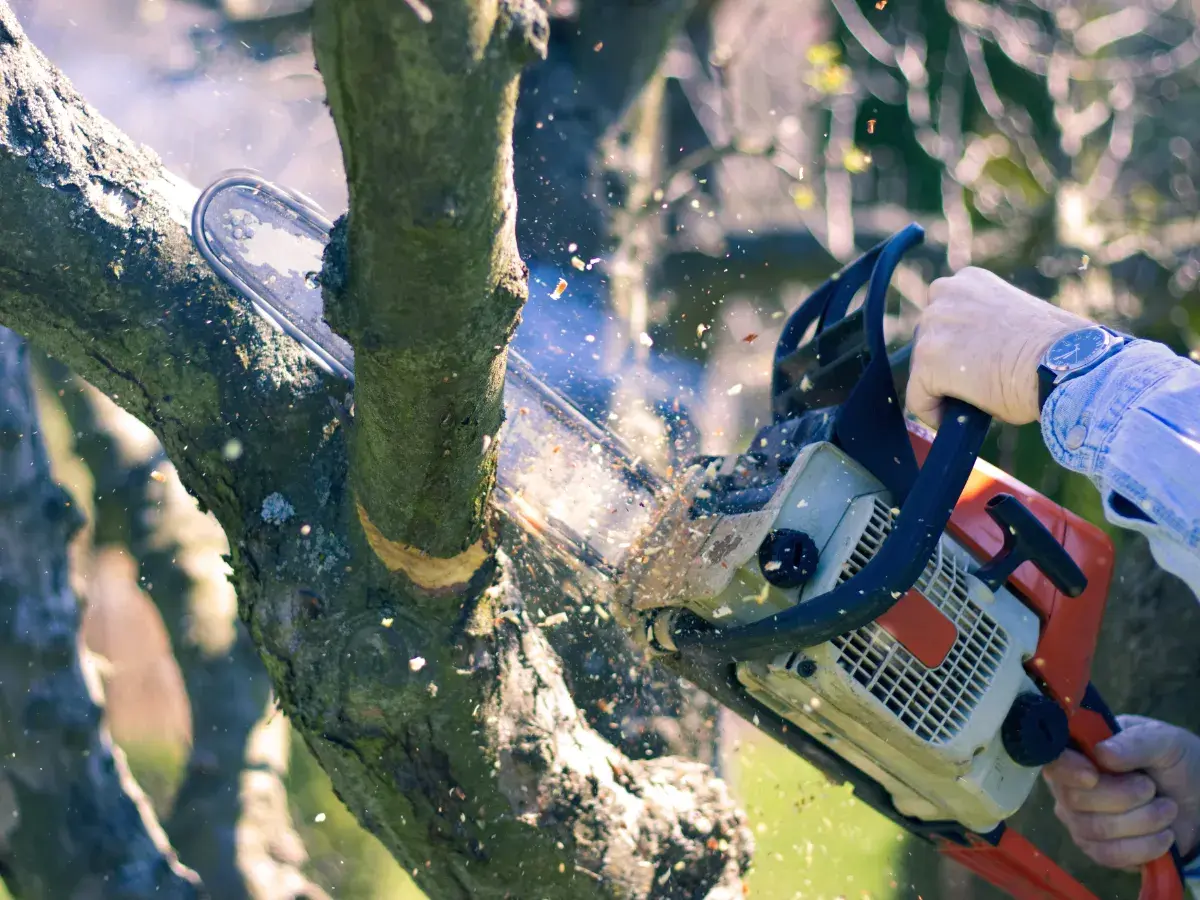
- Trim trees and shrubs around your property, particularly large or dead branches around your home.
Create or Update Your Home Inventory
Your home inventory is a comprehensive tool to document your belongings. Having an accurate, maintained inventory is a critical part of emergency preparedness. It will significantly simplify and streamline your claims process if your home is damaged in a storm.
If you do not have a home inventory, the start of Hurricane Season is the perfect time to prepare one. Spend an afternoon piecing this together, so that if and when a storm is on the way, you can focus on your family’s safety knowing this task is already complete.
Find a full guide for creating your inventory here. If you already have a home inventory, take some time now to make sure it is up to date and includes any new purchases.
Develop an Emergency Plan
One of the most important steps in preparing for hurricane season is developing an emergency plan for your family and pets. Here are some tips to help you get started:
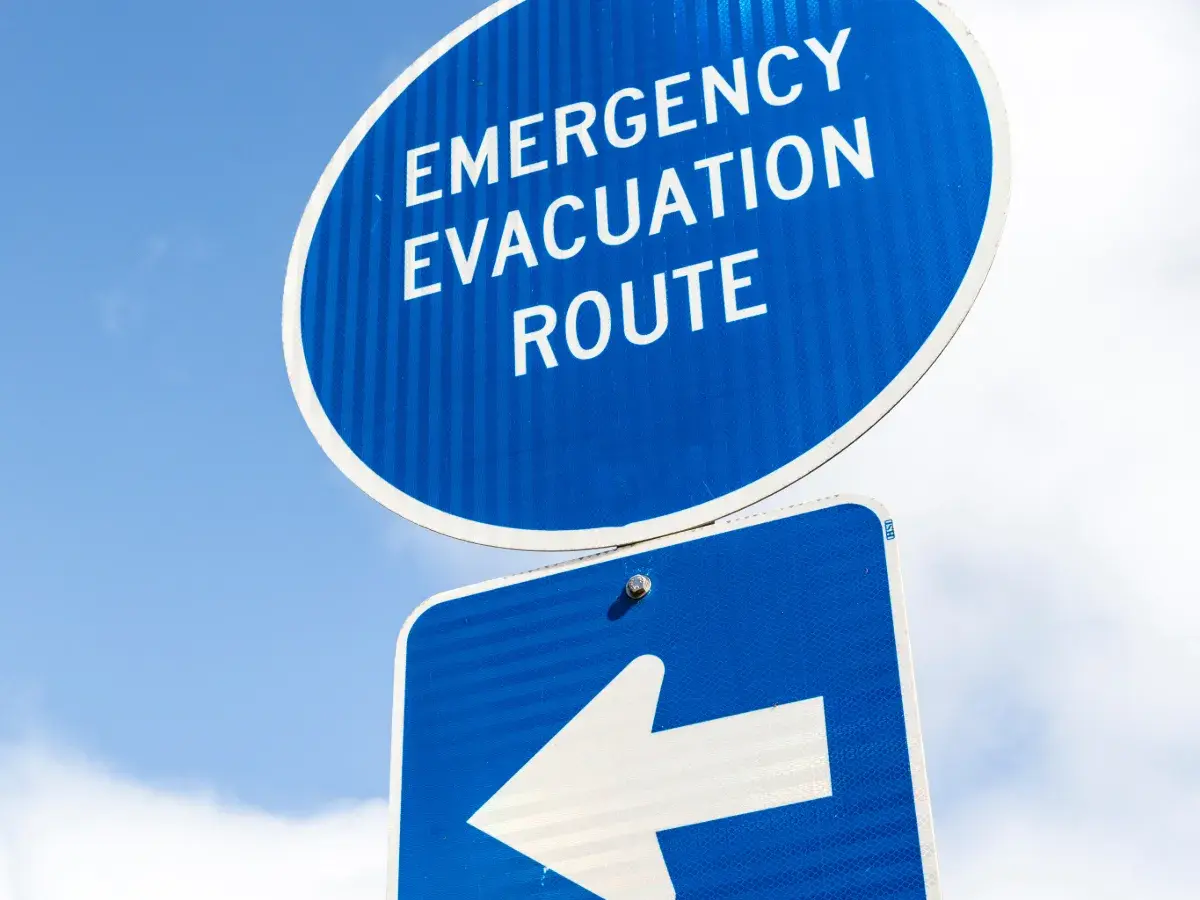
- Discuss the plan with your family: Make sure everyone knows the evacuation routes and designated meeting spots. Have a plan in place for how to communicate with each other if you are separated during the storm.
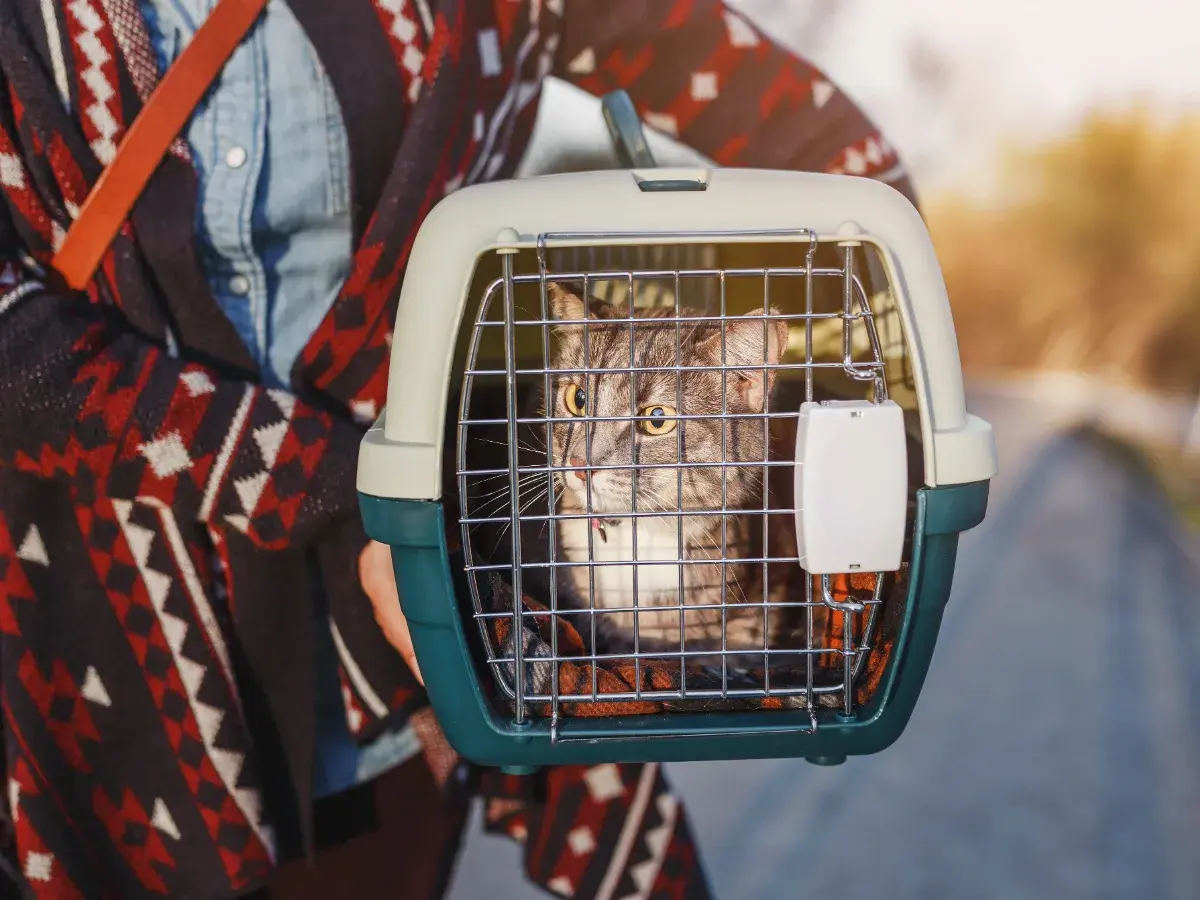
- Plan for your pets: This includes how to transport them if you need to evacuate, and knowing which local shelters and hotels are pet-friendly. Include your pet’s needs in your emergency kit, like food, water, medication, and other supplies.
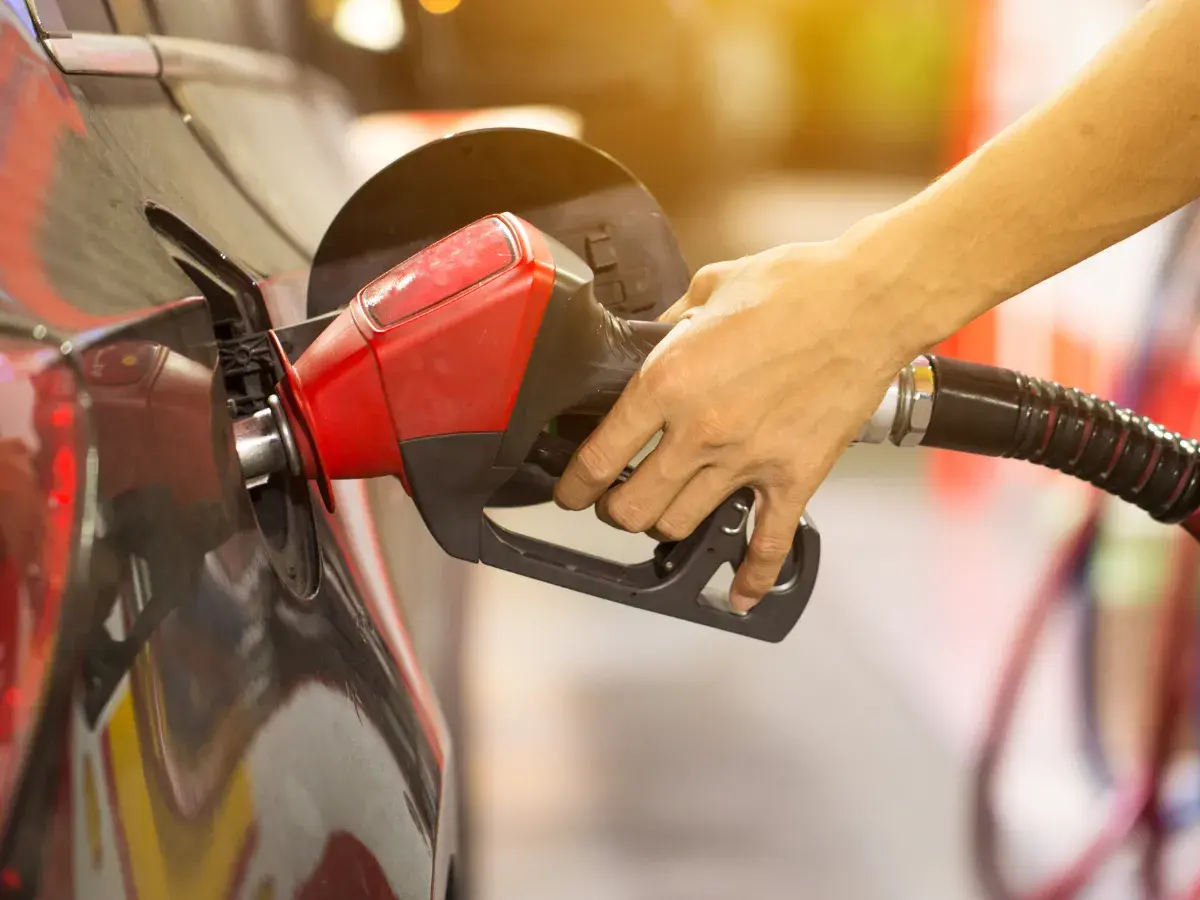
- Consider your transportation needs: If you need to evacuate, how will you transport your family members and pets? Make sure your vehicles are in good condition and have enough fuel. If you don’t have a vehicle, plan how you’ll evacuate with public transportation, a ride from friends or family, or other options.
- Determine a meeting place: In case you get separated from your family members during an emergency, designate a meeting place where you can all regroup. Make sure everyone knows the address and how to get there.
- Plan for special needs: If any members of your family or your pets have special needs, such as medication or medical equipment, make sure to include those in your emergency plan. Have a backup supply of medication and keep important medical records in a waterproof container.
- Identify a safe room: Identify a safe room in your home where your family and pets can shelter in place. This room should be on the lowest level of your home, away from windows, and have enough space for everyone to comfortably fit.
- Prepare for the aftermath: In addition to preparing for the storm itself, make sure you have a plan for what to do after the storm has passed. This includes assessing damage to your home, finding alternative housing if necessary, and seeking medical attention if anyone is injured.
By taking the time to develop an emergency plan for your family and pets, you can help ensure that everyone stays safe and prepared during hurricane season.
Build Your Emergency Kit
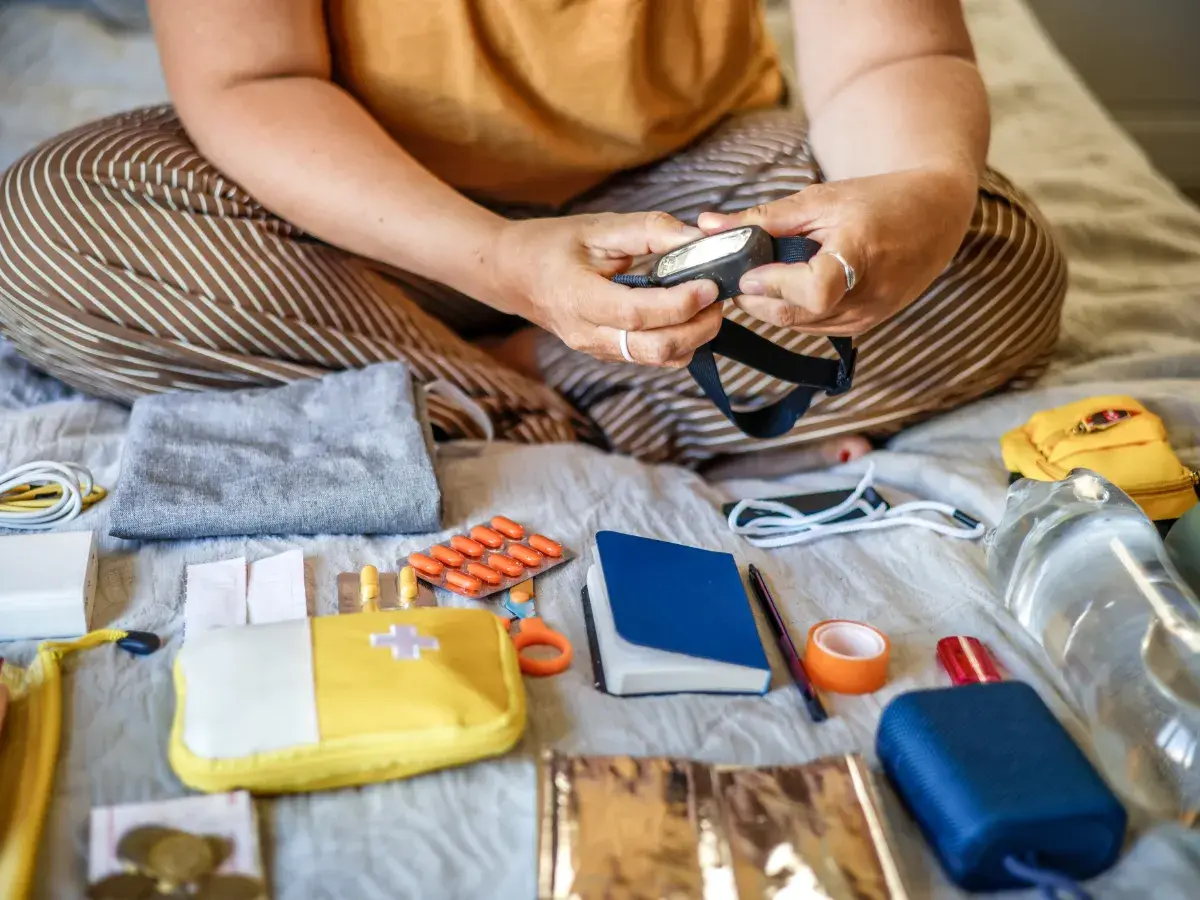
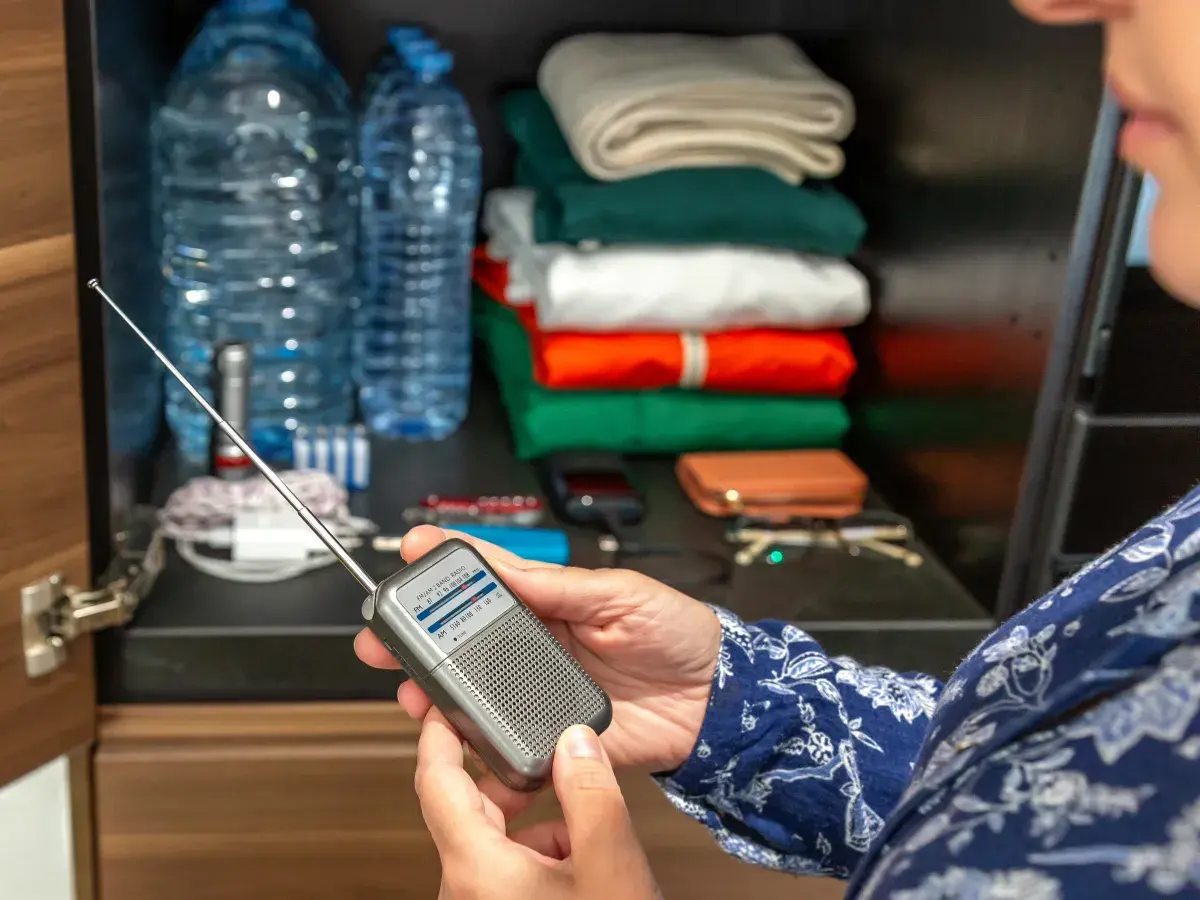
Your Emergency Kit should include essentials to get you safely through sheltering in place or an evacuation. This list, from Ready.gov, is a great place to start. Be sure to think through your household’s specific needs, and bring what you need to survive for several days.
Basic recommended items:
- Water and non-perishable food for your household for 3 to 7 days
- Power bank or extra battery for your cell phone
- Battery-powered or hand crank radio
- Flashlight and extra batteries
- First aid kit
- Whistle to signal for help
- Dust masks for your household.
- Plastic sheeting and duct tape for temporary shelter-in-place repairs
- Moist towelettes, garbage bags, and plastic ties for personal sanitation
- Non-sparking wrench or pliers to turn off utilities
- Can opener
- Local maps
Additional items to consider:
- Prescription medications and glasses
- Infant formula and diapers
- Pet food, water, and supplies
- Important family documents, including insurance policies, identification and band account records. Store in a waterproof container.
- Cash
- Reference materials, like a first aid book
- A sleeping bag or warm blanket for each person.
- Clothing for each member of your household, including long sleeve shirts, pants, and sturdy shoes.
- Fire extinguisher
- Matches in a waterproof container
- Personal hygiene items, including hand sanitizer and feminine supplies
- Paper and pencil
- Books, games, puzzles, and other activities for children
References and Further Reading
These steps are a strong start to your emergency preparedness. You can learn more from these great emergency resources, which were used in the development of this guide:
Be sure to check if your state or local community offers any Hurricane Season preparedness resources, like talks from emergency response departments. Bookmark this page of key emergency resources for easy access to a range of national and state-specific information.
Be prepared and stay safe; remember, we’re here for you before, during, and after the unexpected!