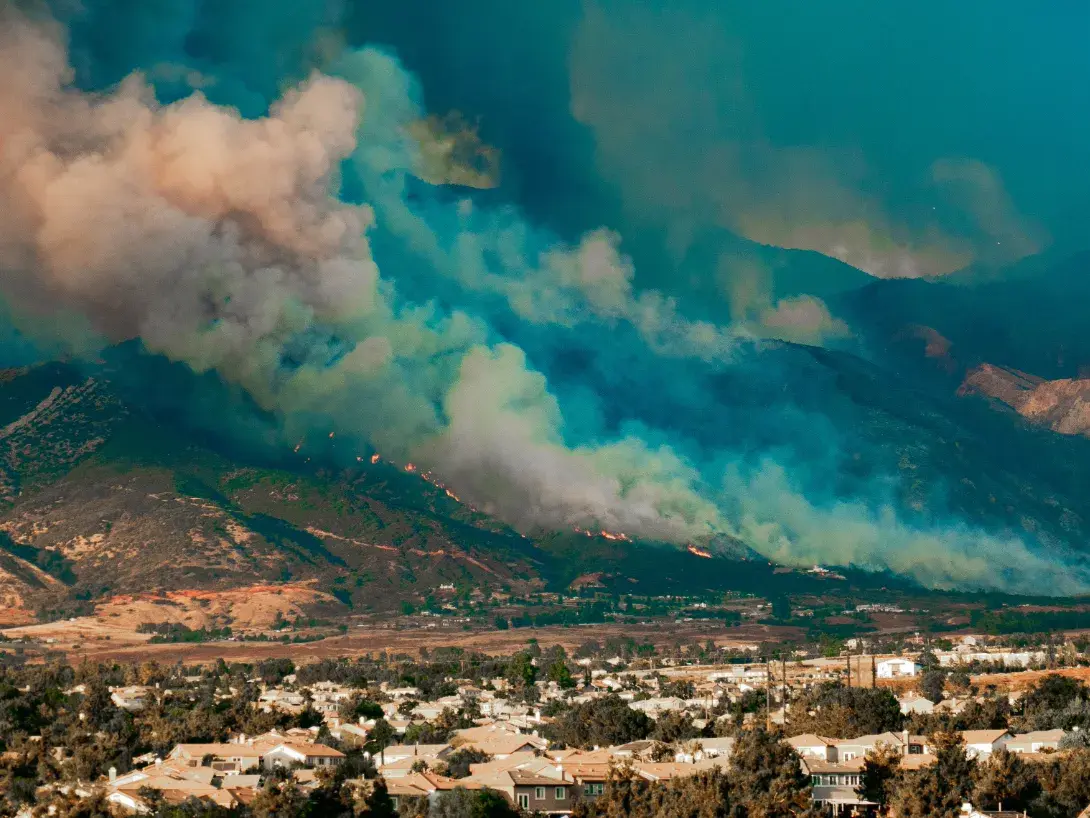
Wildfires are fast, devasting, and frightening natural disasters. If you live in an area with wildfire risk, preparation is critical. Once a fire is burning, it can move quickly and unpredictably, and you may not have much warning before receiving an evacuation notice.
Follow these steps to stay wildfire ready, from minimizing your home’s risk to preparing your family.
If a wildfire is currently threatening your area, follow all guidance from state and national emergency departments. You can find more information about preparations when a wildfire is in your area here.
Review Your Insurance Policy
You should check in on your home insurance policy at least once a year. This could be as simple as reviewing your policy, or it could mean meeting with your agent for an in-depth look at your coverage.
- Check your home insurance policy to ensure you have adequate coverage, accounting for any updates you may have made to your home.
- Monitor your policy’s renewal date and payment periods to ensure your policy does not lapse at a critical time.
- Consider any additional coverage you may need, particularly Flood Insurance. Drought conditions that contribute to wildfires can also lead to flash floods, and the aftermath of a wildfire amplifies this risk, preventing water absorption. Damage caused by flooding is likely not covered by your home insurance policy.
- Print and email copies of all your insurance policies to be sure that you have easy access to your policy numbers and claims details. Keep printed copies with your emergency kit. You can access all of your Orion180 policies in MY180.
Prepare Your Home
There are many things you can do to minimize the risk of wildfire to your home, but they take time. Wildfires can move quickly, and if one develops in your area, you may not have much time for preparation before evacuation. Spend time now getting your home ready, and perform regular maintenance so you can focus on your family’s safety in an emergency.
Embers are a major risk during a wildfire, and a common vector for home ignition. You want to take steps to lower the risk of embers catching fire around your home, or of being blown into your home.
Renovation Considerations
Consider these improvements whenever you’re planning any major works:
- Roof: Metal, tile, or composition roofing materials will make your home more resistant to wildfires. Look for Class A fire-rated roof materials.
- Exterior Walls: Stucco, metal, fiber cement, and ignition-resistant siding are all great materials to harden your home to fire. Ensure that these materials extend from your foundation to your roof.
- Windows: Dual or multi-paned windows, with at least one tempered glass pane, are better able to resist the high temperatures that come with a wildfire. A single pane window may break from the heat, and allow embers into the home.
- Decks and Patios: Any deck within 10 feet of your home should be made of ignition-resistant, noncombustible materials. The same applies to patio covers.
- Fencing: Look for noncombustible materials for any fencing that comes within 8 feet of your home.
- Driveway: Your driveway should be at least 12 feet wide.
Annual Home Check
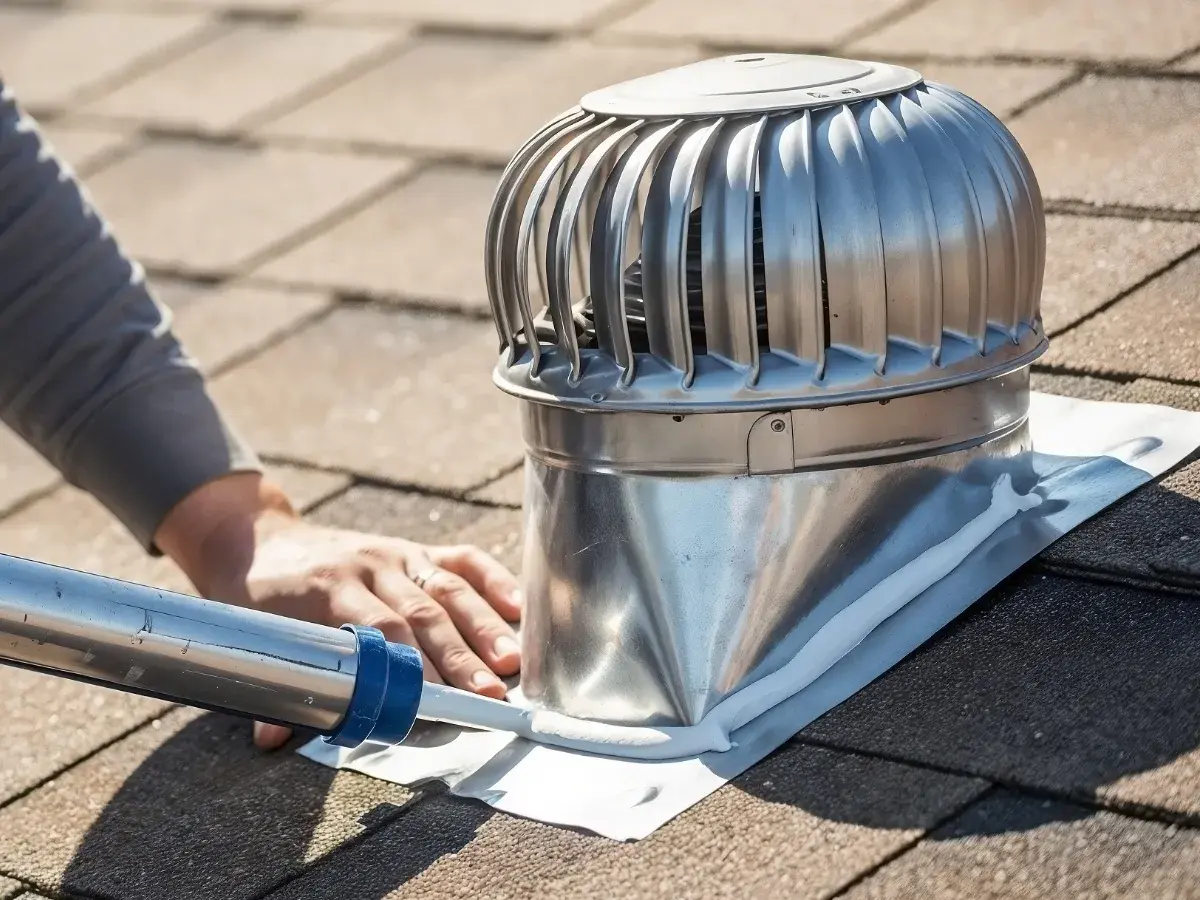
- Check your roof for visible damage and inspect the flashing and seals. Remove any debris, and ensure there are no gaps.
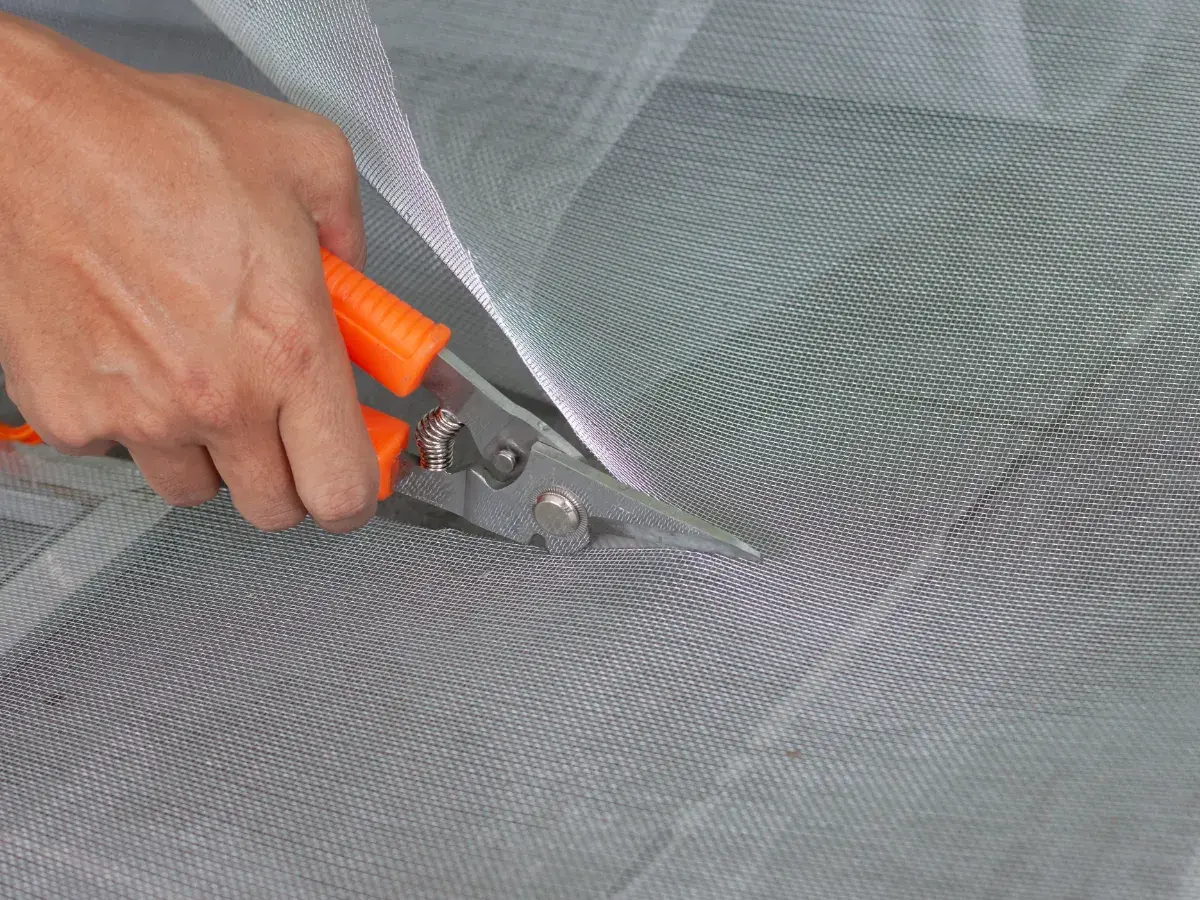
- Ensure all vents are covered with 1/16-inch to 1/8-inch metal mesh screens, and check vents for tears or large openings. Move items away from vents in storage spaces, like your attic.
- Ensure any chimney or stovepipe outlets are covered with a 3/8-inch to 1/2-inch metal mesh screen. Close the flue if the fireplace is not in use.
- Make sure your eaves are enclosed, and seal any openings bigger than 1/8 inch. Do not store anything under or near your eaves.
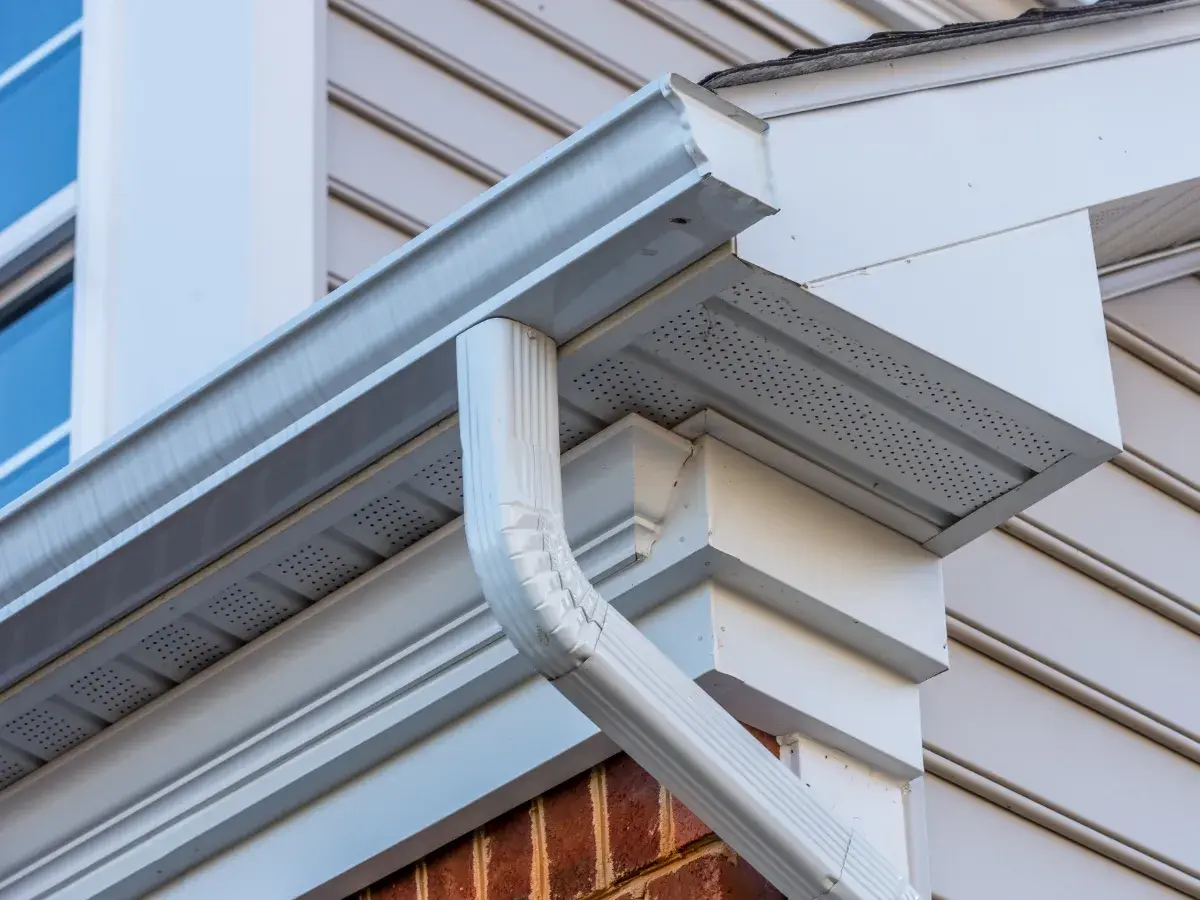
- Thoroughly clear your gutters, and consider enclosing them with noncombustible materials that allow rain capture but not a build up of plant or tree debris.
- Clear any combustible materials from underneath your deck or porch, including stored items and vegetation. You should screen off or box-in this space to prevent debris accumulation.
- Fill gaps around your garage door with weather stripping. Ensure you have a way to open your garage door in case of power outages.
- Place garden hoses around your home so that you can reach all areas of the house.
- Purchase a high-efficiency particulate air (HEPA) certified air filter that does not produce ozone, as well as fans. If you already have these items, ensure they are operational. These devices will help you set up a clean room to protect your household from wildfire smoke.

Maintaining Your Defensible Space
A Defensible Space is a core part of fire safety in wildlife-prone areas. With three key zones extending 100 feet around your home, the Defensible Space creates a buffer that helps to protect your home. Strictly maintain this buffer to reduce your exposure.
0 to 5 Feet
- Move any flammable materials away from your exterior walls and out of this zone. This includes firewood, plant debris, flammable plants, and flammable mulch. Regularly clear flammable materials out of this zone, remembering scan vertically as well – check the full perimeter of your home, from roof to foundations.
- Aim to use as much ‘hardscaping’ as possible in this area, like concrete, pavers, or gravel.
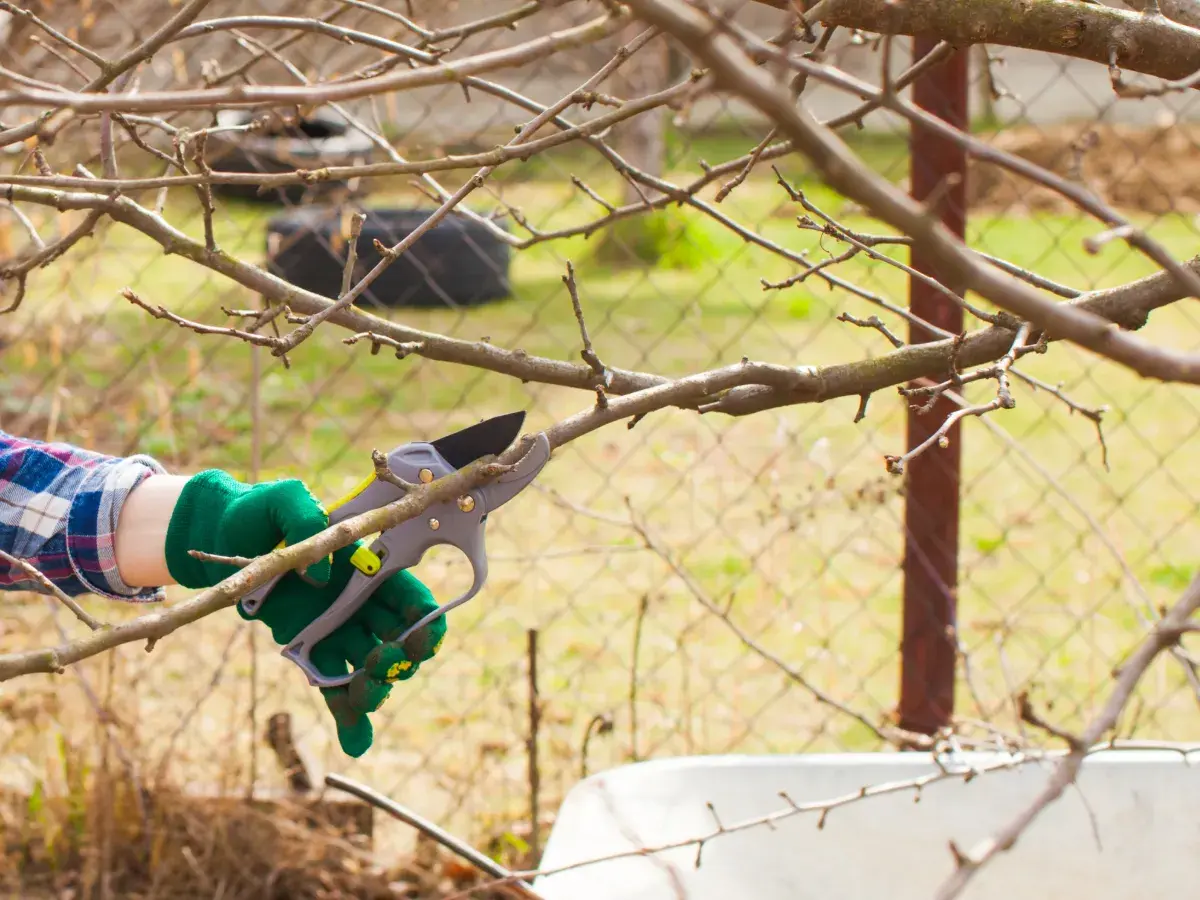
- Trim branches that overhang your home and remove all branches within 10 ft of your chimney.
- Limit outdoor furniture on top of decks within this zone, and have a storage space for this furniture inside the home or outside this zone.
- If possible, move garbage and recycling bins outside this zone, as well as vehicles, boats, and RVs.
5 to 30 Feet
- Be vigilant in removing dead or dry vegetation throughout this zone, including grass, weeds, leaves, plants, and pine needles.
- Maintain a 10-foot buffer between trees and your roof, and an 18-foot buffer between tree crowns. Remove vegetation from under trees. Prune trees to 10 feet from the ground, or a third of the overall tree height for smaller trees.
- Create a separation between trees and shrubs and other flammable features, like outdoor furniture.
- Keep your lawn and grasses mowed to 4 inches.
30 to 100 Feet:
- Remove any heavy accumulations of plant debris / dead underbrush.
- Remove all dead tree material.
- Cut vegetation back from all outbuildings and storage sheds.
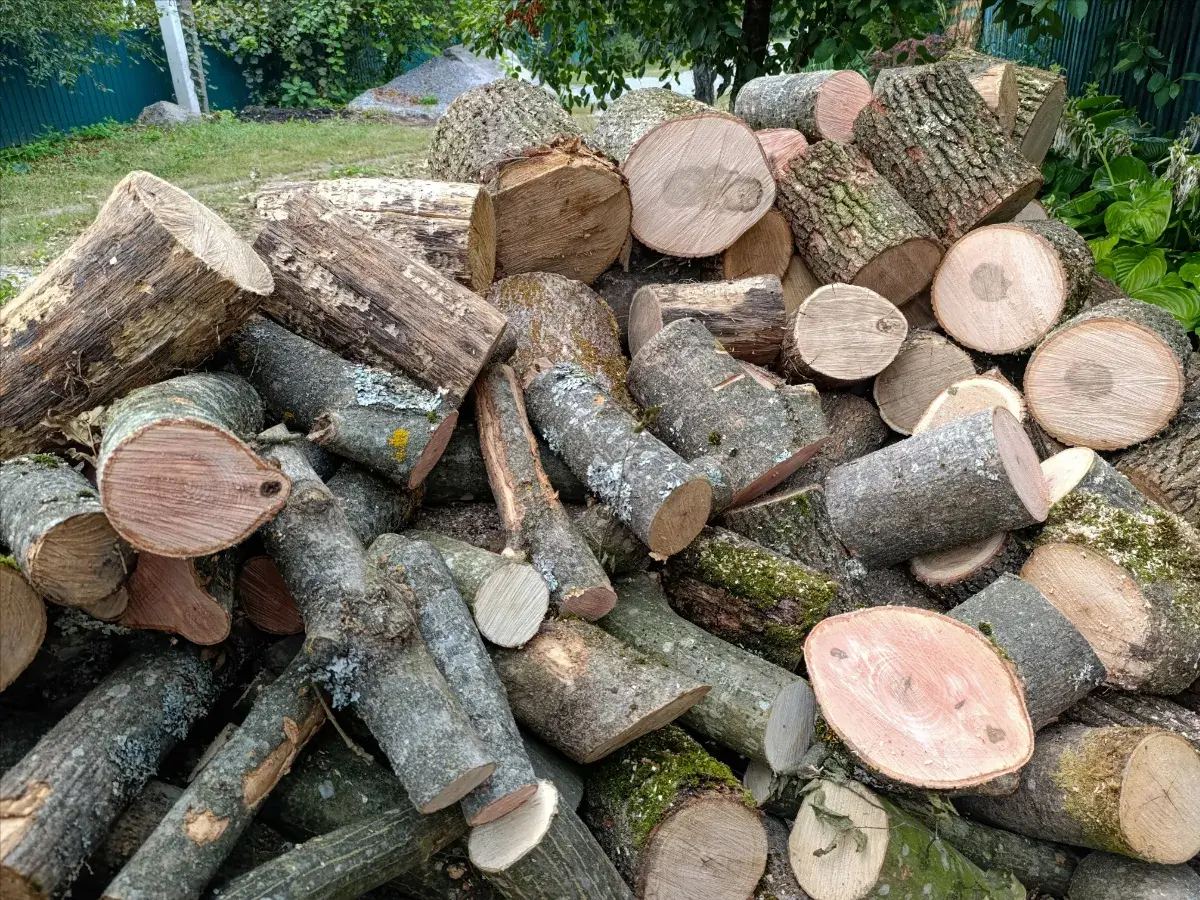
- Wood piles should be stored in this zone or further. These piles should have a 10-foot clearance buffer of all vegetation, including grass.
- Maintain adequate tree and shrub spacing, considering both horizontal and vertical buffers. The steeper the slope, the further the horizontal buffer should be: at least 10 feet for a flat or mild slope, at least 20 feet for a 20% to 40% slope, and at least 30 feet for a slope greater than 40%.
- Clear vegetation from under trees and maintain a 6-foot minimum clearance from the bottom of the tree canopy to the ground.
Important Note: These tree and shrub spacing guidelines provide a basic framework. Depending on your specific property, greater distances may be required. Contact a local arborist or forestry professional for an individualized consultation.


Create or Update Your Home Inventory
Your home inventory is a comprehensive tool to document your belongings. Having an accurate, maintained inventory is a critical part of emergency preparedness. It will significantly simplify and streamline your claims process if your home is damaged in a wildfire.
If you do not have a home inventory, the best time to prepare one is now. Spend an afternoon piecing this together, so that if there is a wildfire in your area, you can focus on preparing your home and getting your family ready for a potential evacuation.
Learn more about creating a home inventory here.
If you already have a home inventory, take some time now to make sure it is up to date and regularly add new major purchases.
Develop an Emergency Plan
One of the most important steps in preparing for wildfires is developing an emergency plan for your family and pets. Here are some tips to help you get started:
- Determine both escape routes from your home and evacuation routes from your community. Practice these routes so your household is familiar with them. Be sure to plan for evacuations from common locations other than your home, like your workplace or school/daycare.
- Develop a communication plan for your household, and a plan to keep your extended network of family and friends informed. Designate one out-of-area contact who can update others.
- In case you get separated from your family members, designate a meeting place where you can all regroup. Make sure everyone knows the address and how to get there.
- Plan for your pets, including transportation if you need to evacuate and knowing which local shelters and hotels are pet-friendly. Include your pet’s needs in your emergency kit, like food, water, medication, and other supplies.
- Determine a transportation plan for your household. Make sure your vehicles are in good condition and have enough fuel. If you don’t have a vehicle, plan how you’ll evacuate with public transportation, a ride from friends or family, or other options.
- If any members of your family or your pets have special needs, such as medication or medical equipment, make sure to include those in your emergency plan. Have a backup supply of medication and keep important medical records in a weatherproof container.
- Practice turning your home’s gas, electric, and water off with your whole family, so this can be done quickly in an emergency.
- Make a list of key items, outside of your emergency kit, that you would want to take from your home if you have to evacuate, and keep them together if under threat of a fire. Remember that belongings are not as important as your safety.
- In addition to preparing for a wildfire, make sure you have a plan for what to do after it has passed. This includes assessing damage to your home, finding alternative housing if necessary, and seeking medical attention if anyone is injured.
- Discuss and practice the plan with your family. A well-thought-out plan is great, but it needs to be remembered to be put into practice. Regularly review it and even practice your home escape routes so you’re ready for fast-changing conditions.
By taking the time to develop an emergency plan for your family and pets, you can help ensure that everyone stays safe and prepared during hurricane season.

Build Your Emergency Kit
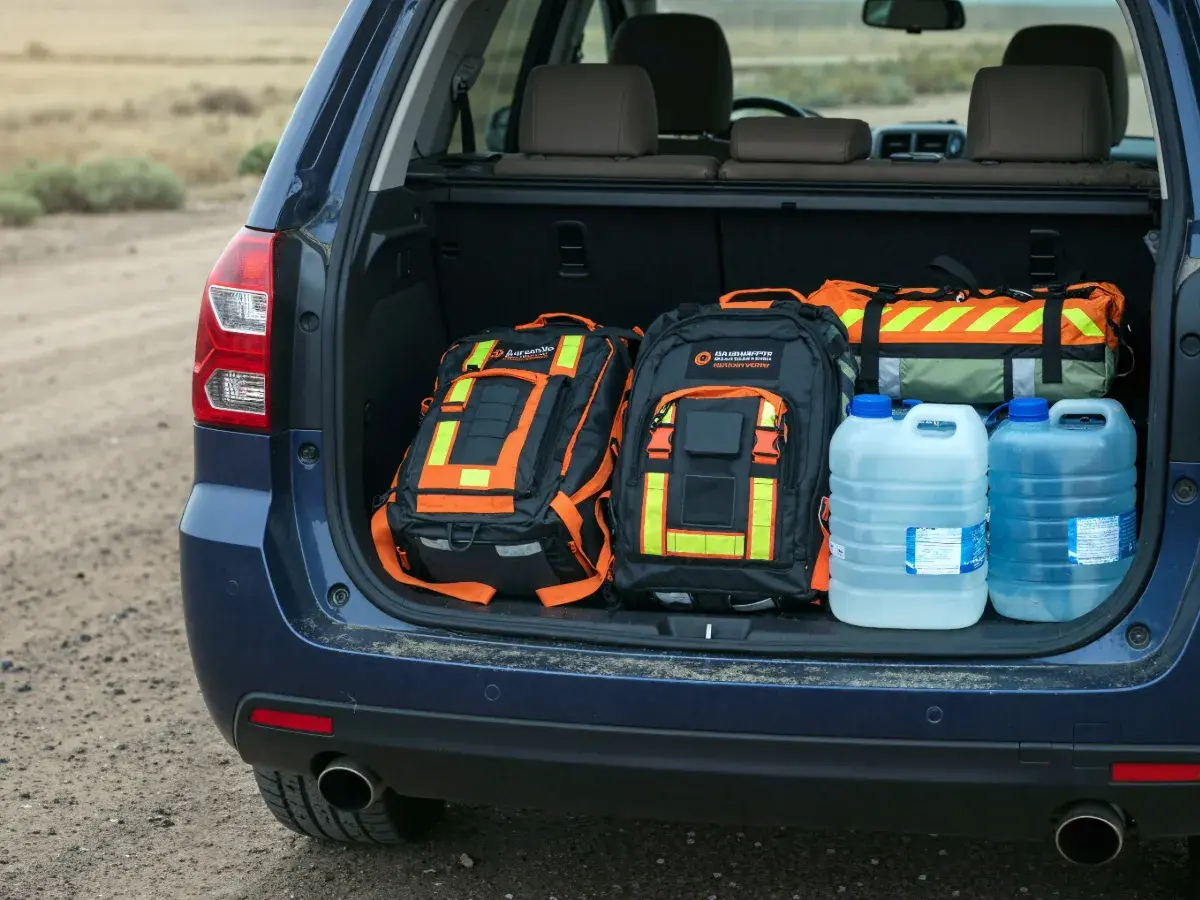
Your Emergency Kit should include essentials to get you safely through sheltering in place or an evacuation. This list, adapted from Ready.gov and wildfire-specific recommendations, is a great place to start. Be sure to think through your household’s needs, and bring what you need to survive for several days.
Basic recommended items:
- Water and non-perishable food for your household for 3 days. That supply is should be ready in case of evacuation, but you should maintain a two-week supply at your home.
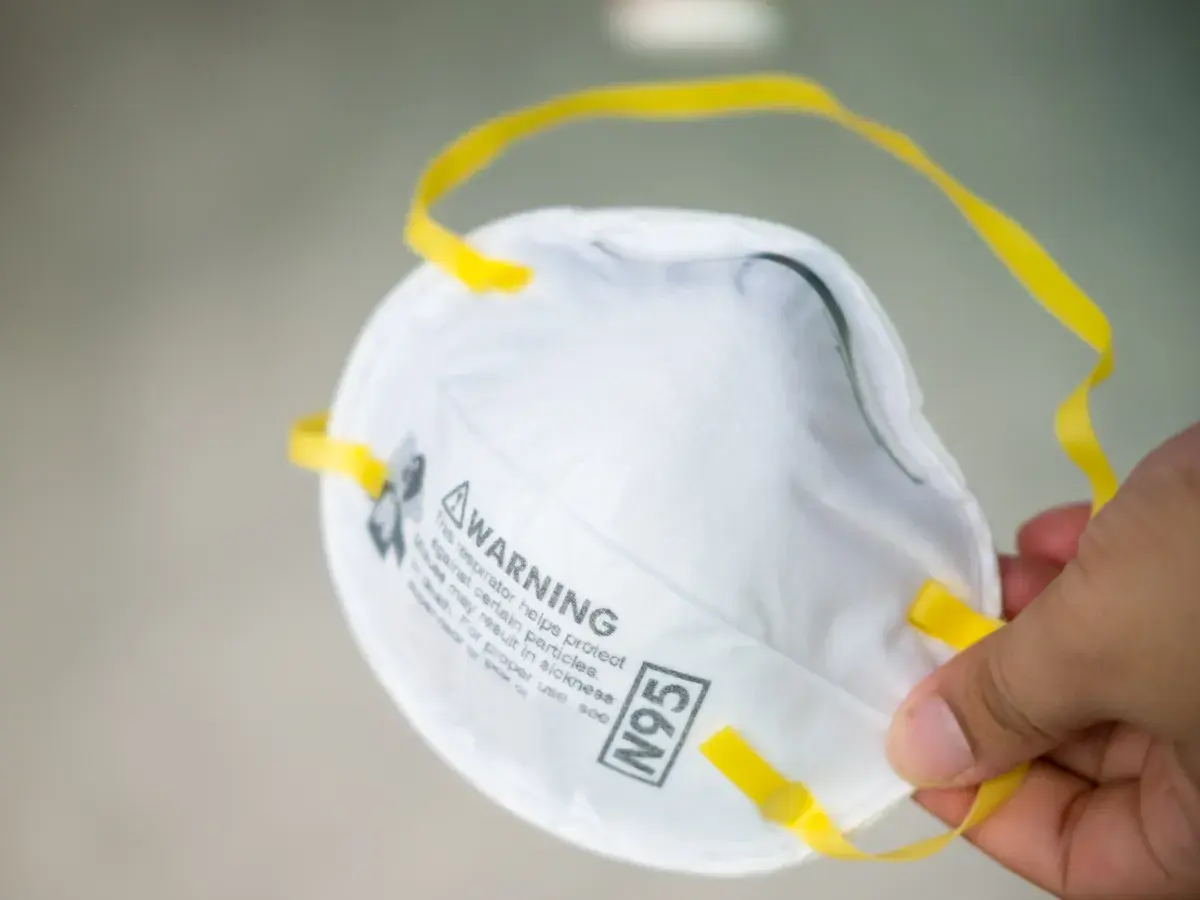
- Face masks or coverings
- Local maps with at least two identified evacuation routes
- Clothing for each member of your household, including long sleeve shirts, pants, and sturdy shoes
- Spare car keys
- Credit cards and cash
- Power bank or extra battery for your cell phone
- Battery-powered or hand crank radio
- Flashlight and extra batteries
- First aid kit
- Whistle to signal for help
- Moist towelettes, garbage bags, and plastic ties for personal sanitation
- Non-sparking wrench or pliers to turn off utilities
- Can opener
- Important family documents, including insurance policies, identification, and band account records
Additional items to consider:
- Prescription mediations and extra glasses or contacts
- Infant formula and diapers
- Pet food, water, and supplies
- Reference materials, like a first aid book
- A sleeping bag or warm blanket for each person
- Fire extinguisher
- Personal hygiene items, including hand sanitizer and feminine supplies
- Paper and pencil
- Books, games, puzzles, and other activities for children
- Easily carried valuables and sentimental items, like family photos
- Personal computers and hard drives

Stay Informed for Early Awareness
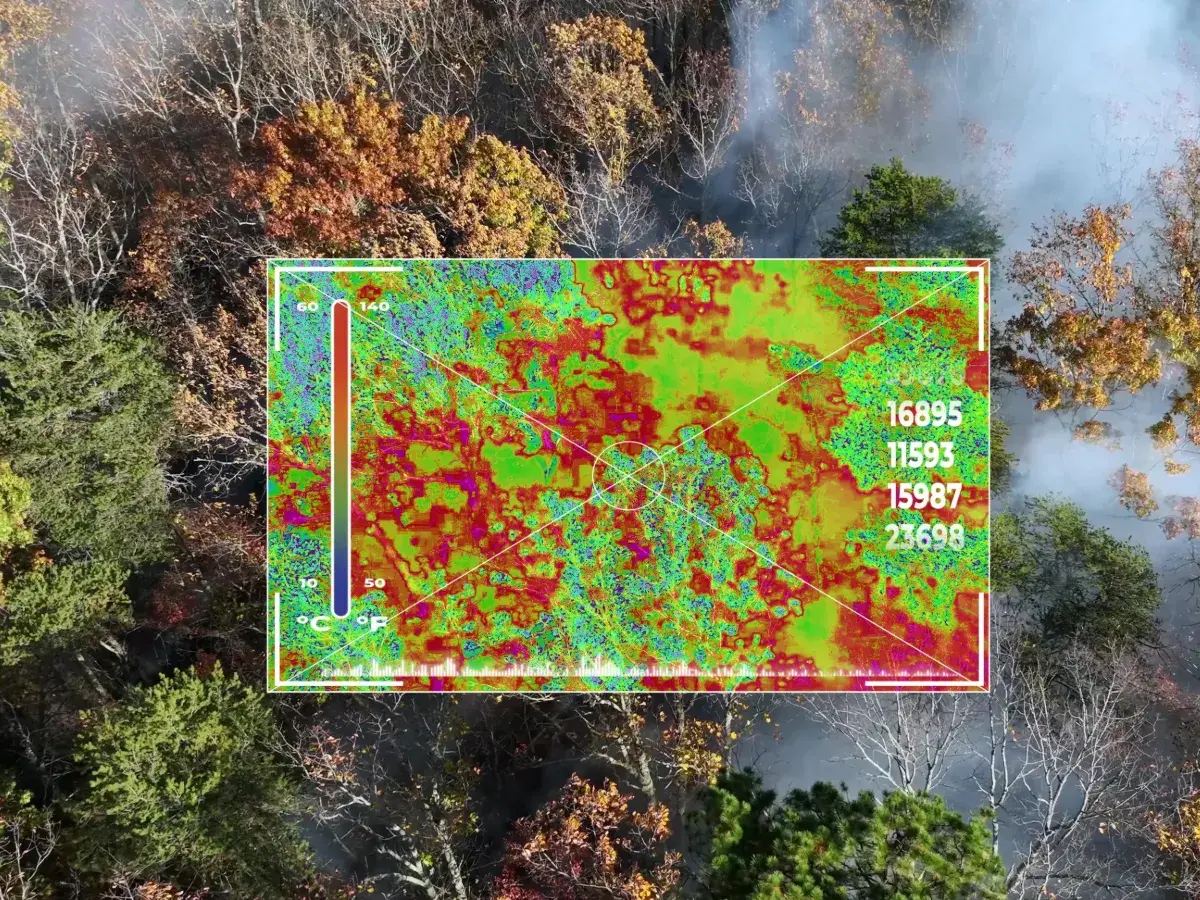
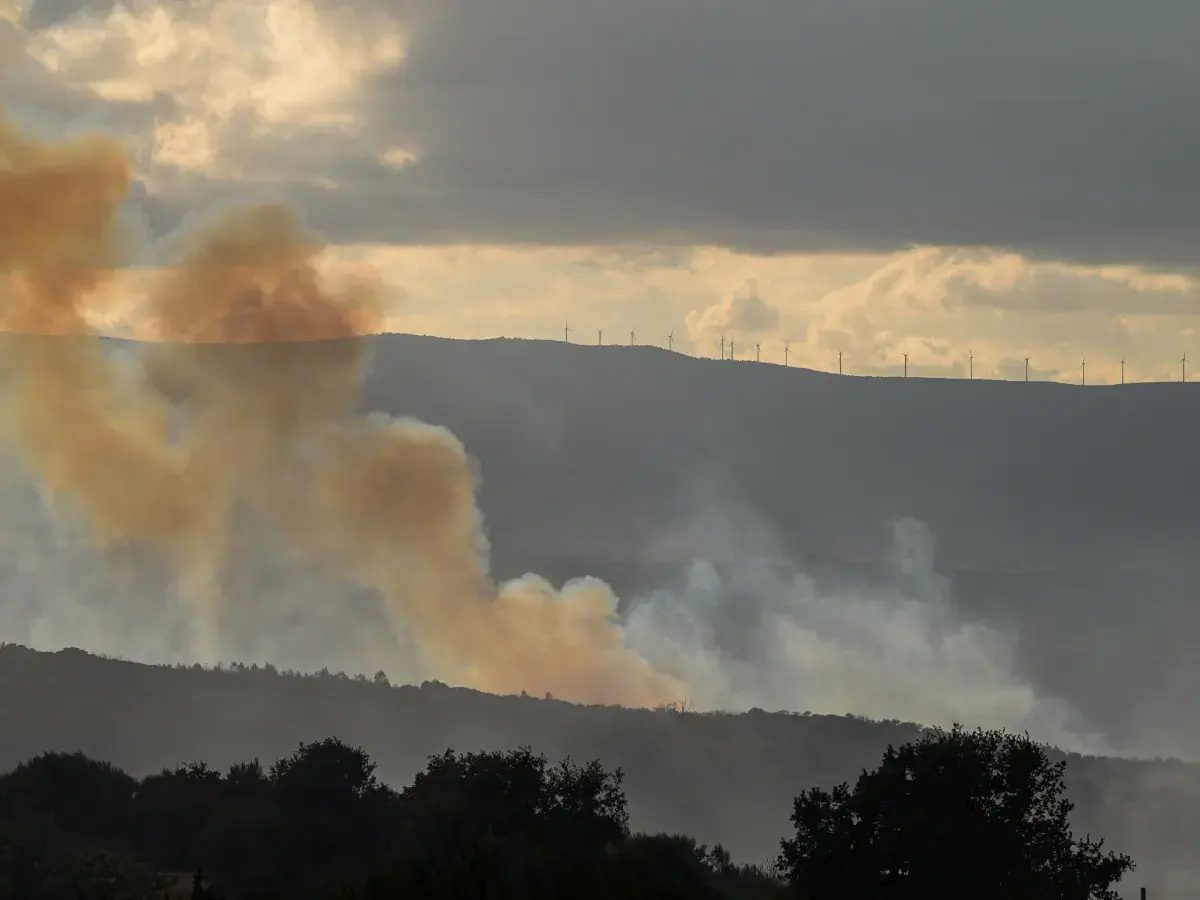
Follow local weather alerts, using your local news or checking the National Weather Service – Fire dashboard. Be sure to sign up for your community’s emergency alert services; this will ensure you stay up to date on the latest advisories.
You do not need to wait for an evacuation order to evacuate your home. Local authorities will typically aim to provide an evacuation warning, so that you can begin to prepare. When you receive an evacuation order, you should immediately evacuate the area to a safe location, and follow all directions from law enforcement agencies and emergency personnel.
Learn what you should do when there is a wildfire threat in your area here.
Additional Resources
These steps are a strong start to your emergency preparedness. You can learn more from these great resources:
National Weather Service – Wildfire Weather Safety
National Fire Protection Association – Wildfire
Be sure to check if your state or local community offers any wildfire preparedness resources, like talks from emergency response departments. Bookmark this page of key emergency resources for easy access to a range of national and state-specific information.
Be prepared and stay safe; remember, we’re here for you before, during, and after the unexpected!