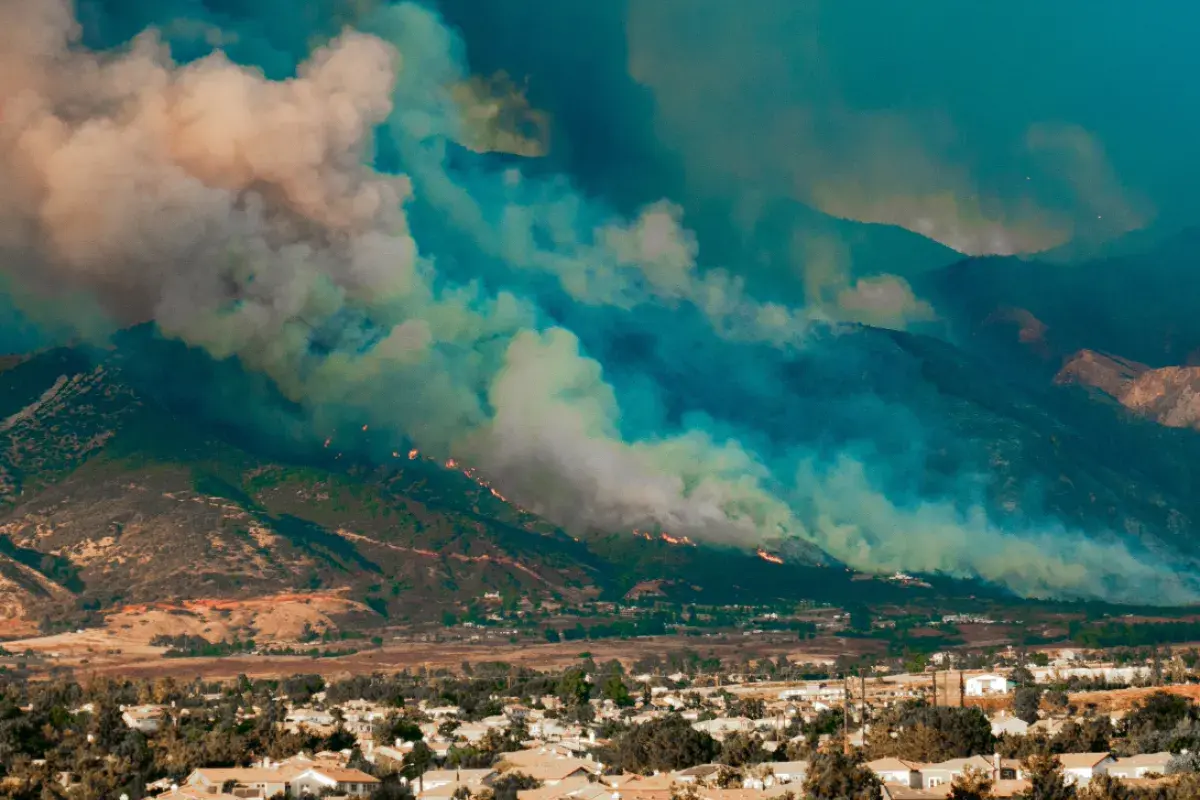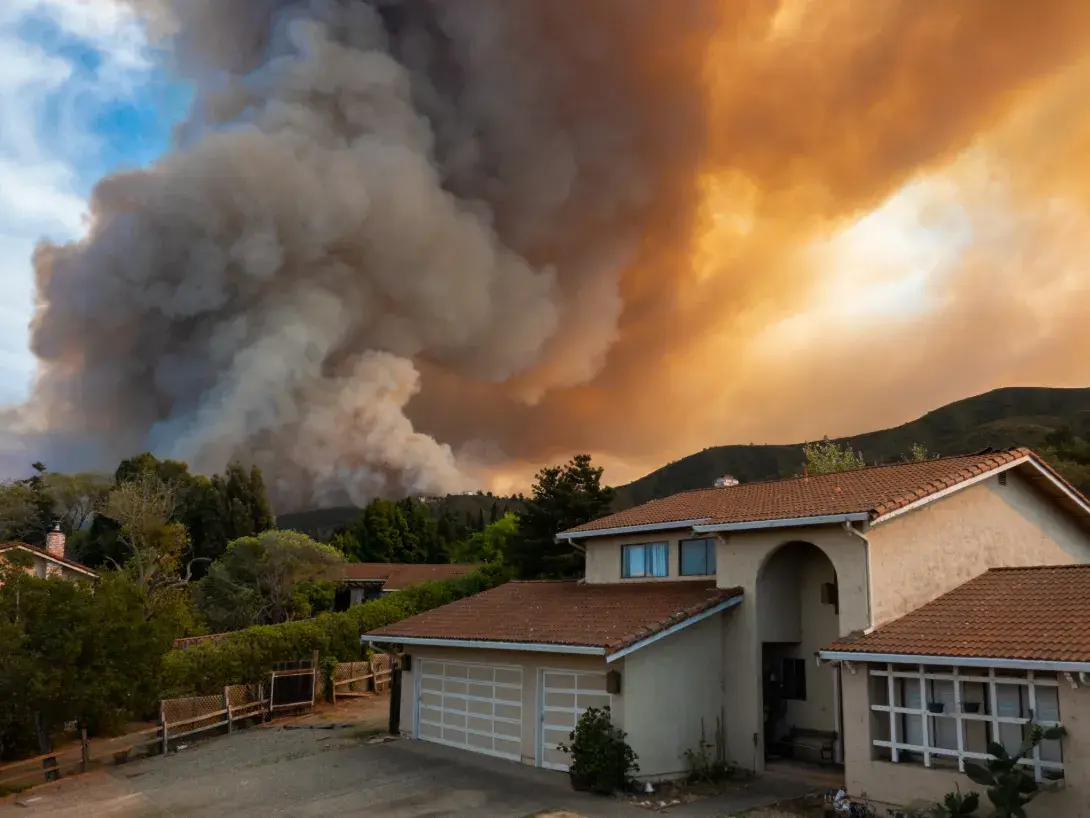
Wildfires can move swiftly and unpredictably. When one is burning in your area, get your home and family ready for a potential evacuation early so you can leave quickly if the situation becomes unsafe.
Remember that time is critical, and your family’s safety is the most important consideration. Follow all official and law enforcement guidance during an emergency.
1. Review or Develop Your Emergency Plan
Your emergency plan is a critical way to make sure your family knows what to do before, during, and after a wildfire threat. If you do not have an emergency plan, use the guide here to put one together, and ensure your entire household knows it.
Make any necessary adjustments to your plan based on the actual fire conditions, like key evacuation routes and meeting places. Once you’ve determined your plan, communicate it to a friend or family member outside the affected area, and plan to update them periodically to confirm that you are safe. This person can serve as a key point of contact for updating your wider network.
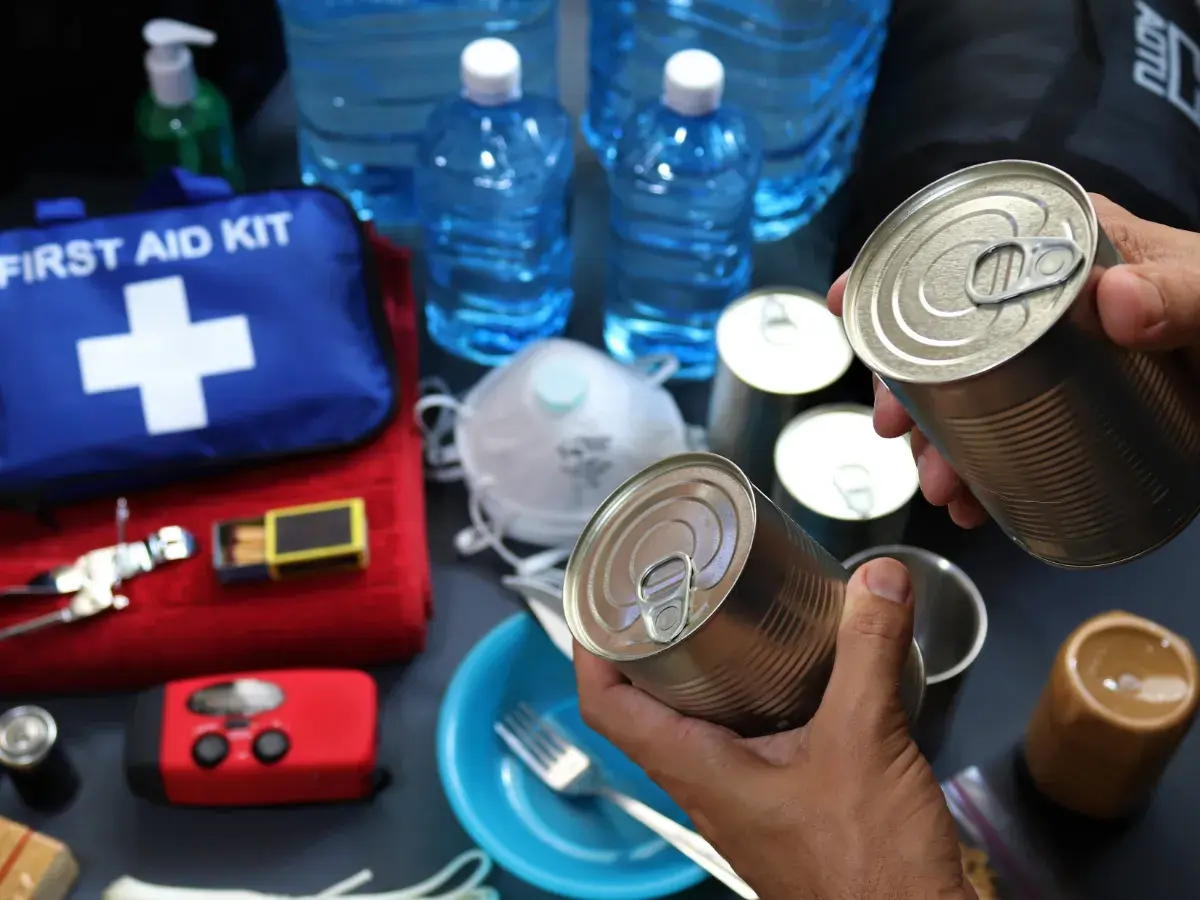
2. Check or Build your Emergency Kit
Check your wildfire Emergency Kit, and make sure that it is still fully stocked with your family’s essential needs. Learn about what should be in your kit here.
This is also the time to gather key items that you don’t keep with your kit, but would need or want to bring if you have to evacuate. This might mean a family member’s medication, important documents, or family photos and keepsakes you want to keep safe. Have everything centrally gathered so you’re ready to evacuate if necessary. Remember that what you can fit in your vehicle is what you will be able to take, and belongings are not as important as your safety.
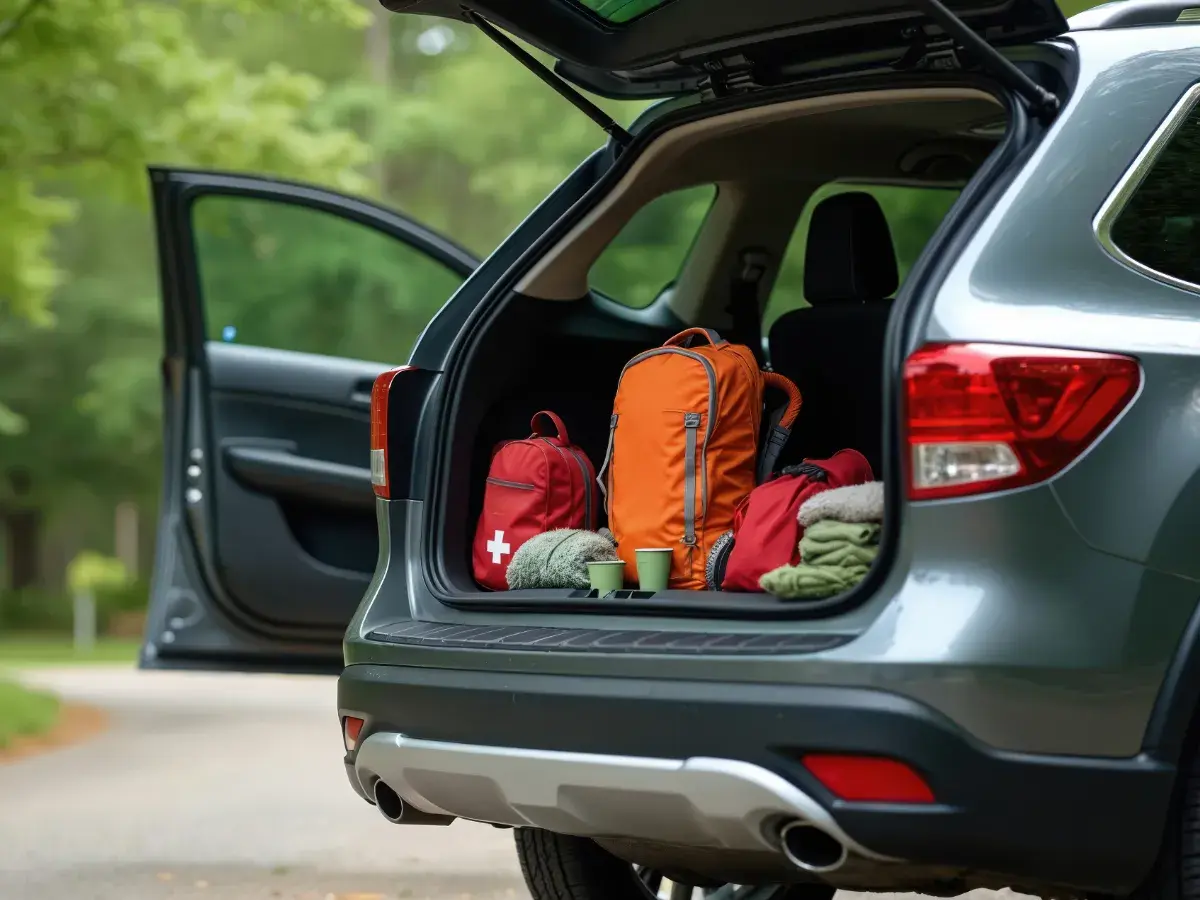
Keep a basic version of this emergency kit in your car. Emergency situations move quickly, and wildfires often cause power outages. Keep a flashlight and sturdy shoes in an easily accessed place in your bedroom, in case of a sudden evacuation at night.
Keep all of your devices charged, and your vehicles full with gas.
3. Protect Yourself from Wildfire Smoke
The threat of a wildfire is not limited to its actual flames. If a fire is burning in your area, its smoke may significantly affect your air quality even if it does not directly approach your community.
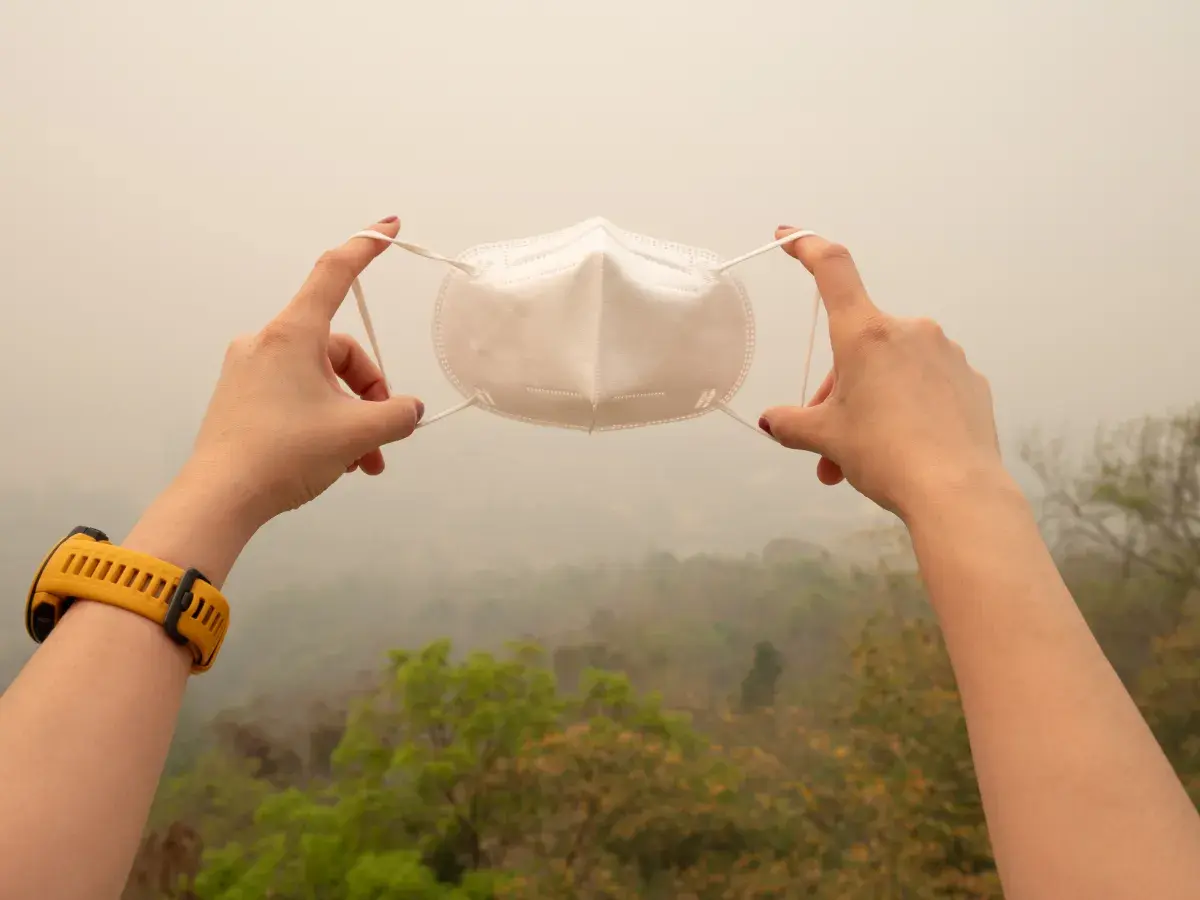
Use an N-95 mask or other face covering when you need to go outdoors, and take some basic steps to preserve your indoor air quality.
- Keep doors and windows closed.
- Switch your HVAC system from fresh air intake to recirculate mode, or close the outdoor intake damper if safe to do so.
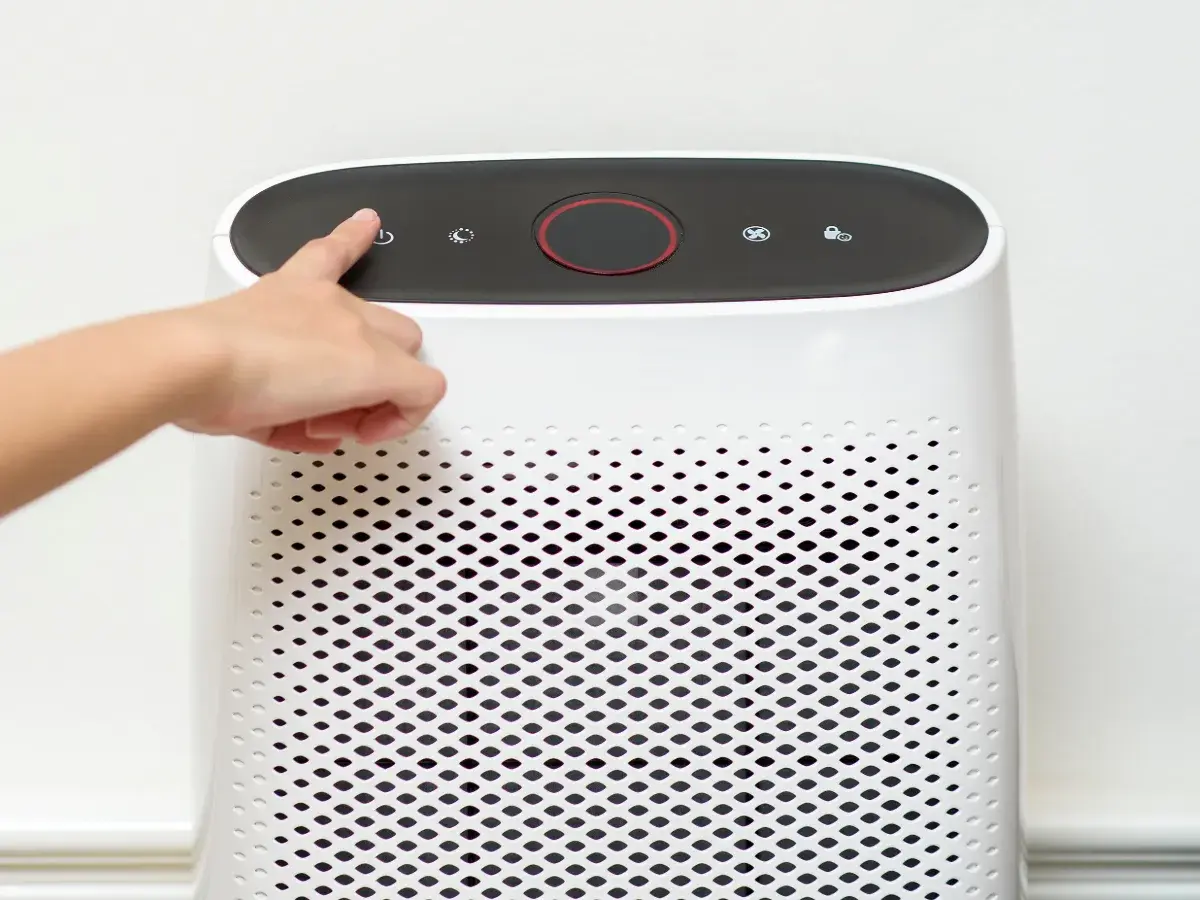
- Use a portable air cleaner.
- Create a clean room where you optimize air quality for your family.
4. Update Your Home Inventory
Your home inventory is a record of your belongings that you can use if you need to make an insurance claim. This is something you should update regularly – learn more here if you’re just getting started.
If time allows, take a moment to review your home inventory and make sure you’ve documented any recent purchases.
5. Track Official Guidance
Watch your local news, sign up for local emergency communications, and watch for Emergency Alert System notifications. You can find fire weather information from the National Weather Service here.
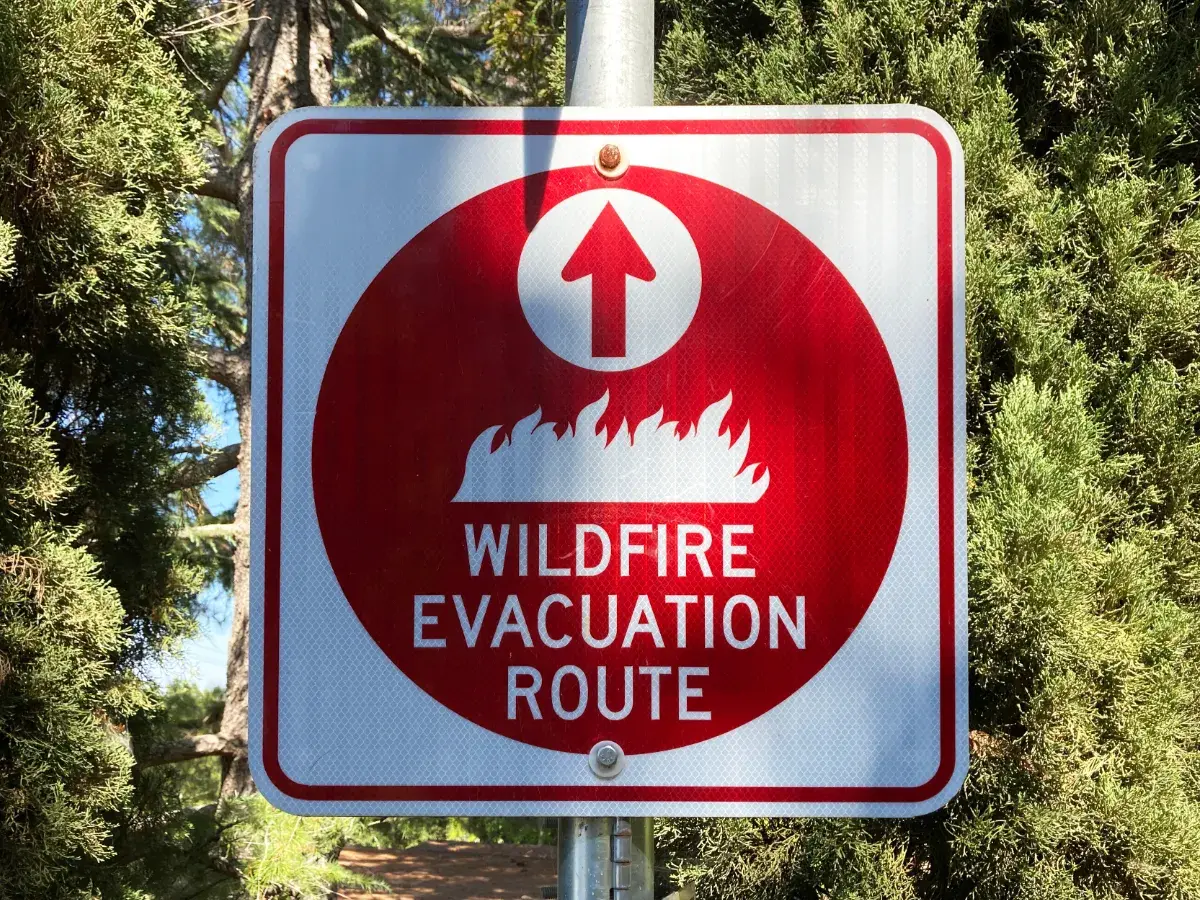
Local emergency officials will typically issue a pre-evacuation notice or evacuation warning. At that point, you should prepare to leave your home. An evacuation order means that you should immediately follow safe travel routes to get out of the area.
You do not have to wait for an evacuation order; evacuate if conditions at your home feel unsafe. If you are ordered to evacuate, do so immediately. Follow all directions from law enforcement and emergency officials, as the available evacuation routes may change.
While under a pre-evacuation notice, take steps to prepare your home as time allows, and check on your neighbors to ensure they are ready to evacuate too.
6. Prepare Your Home
If evacuation seems like a possibility, take some steps to prepare your home and make it more resistant to embers and flames.
- Move all loose items, like outdoor furniture, trash cans, and toys, to an interior location, or well away from the structure of your home. You can even put these items in your pool, if you have one.
- Move propane BBQs and grills away from your home, and turn off any propone tanks.
- Connect garden hoses around your home for emergency responders, and place full water buckets around your home.
- Turn off sprinklers and ensure you don’t leave water running, to maximize water pressure if needed.
- Leave exterior and interior lights on so your home is more visible in thick smoke.
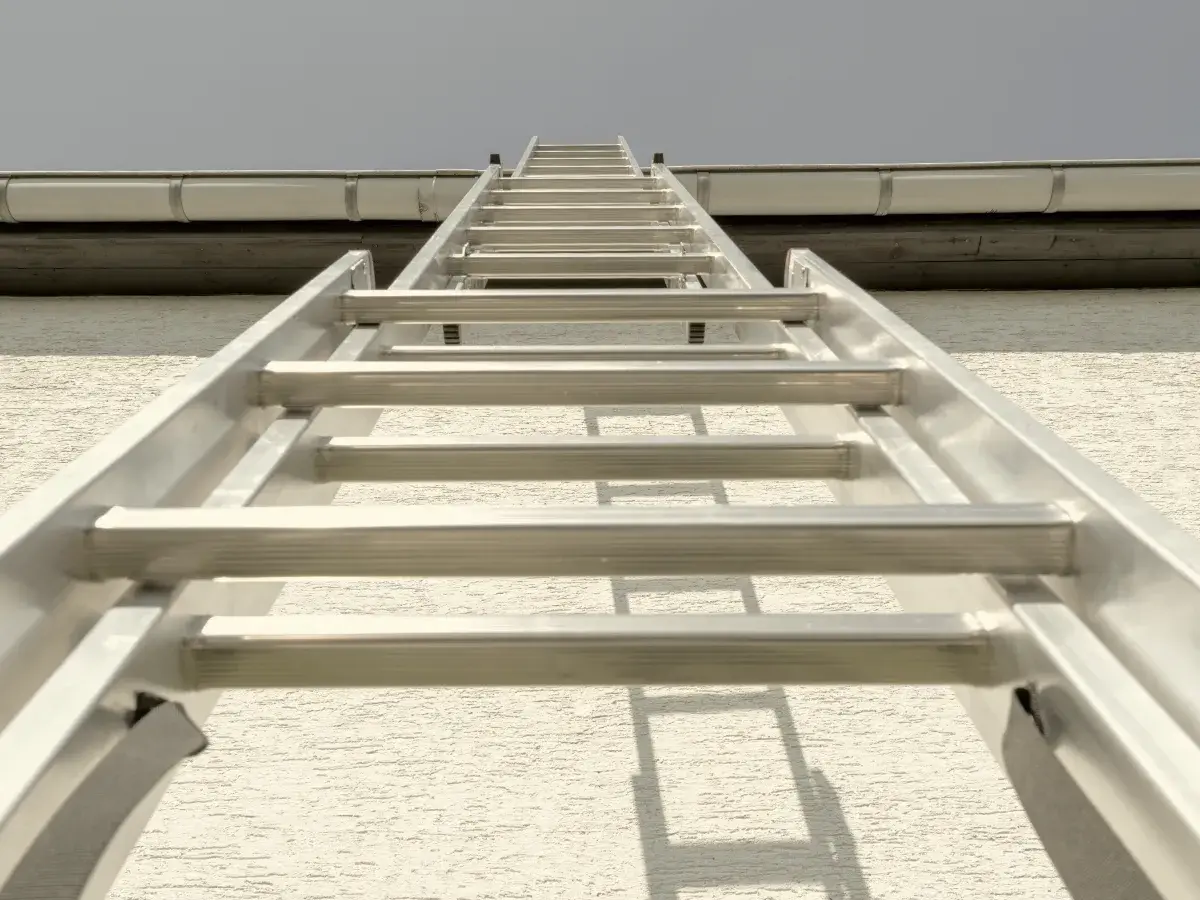
- Place a ladder at the corner of your house for easy firefighter access to your roof.
- Seal your attic and ground vents.
- Close fireplace dampers and screens.
- Shut all windows and doors, but leave them unlocked for firefighter access.
- Remove flammable materials from your windows, like curtains and shades.
- Move flammable furniture and other items away from windows and doors.
- Shut off your gas line or tank, and turn off pilot lights.
- Turn off your HVAC system or other air conditioners or heaters.
- Wear sturdy shoes, long-sleeved shirts, and pants.
- Gather your pets and keep them nearby.
- Position your car so it is backed into your driveway, and load it with your emergency kit and other items. Keep your car keys on you.
- Prepare a note to leave on your front door, with your household’s names, the time and date of evacuation, your intended evacuation destination, and your contact information.
Find trusted national and state resources here. Follow all official guidance from your local and state emergency response organizations, and stay safe!
Learn more about returning home after a wildfire here.