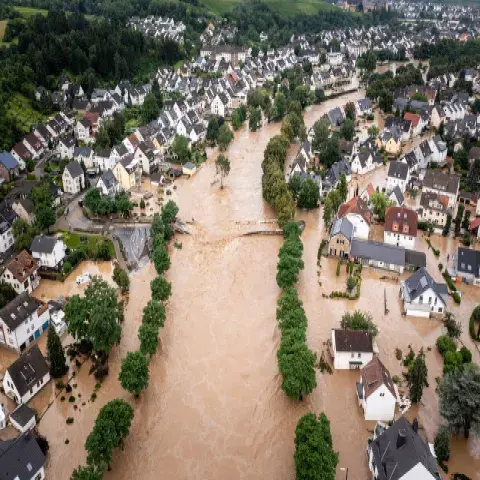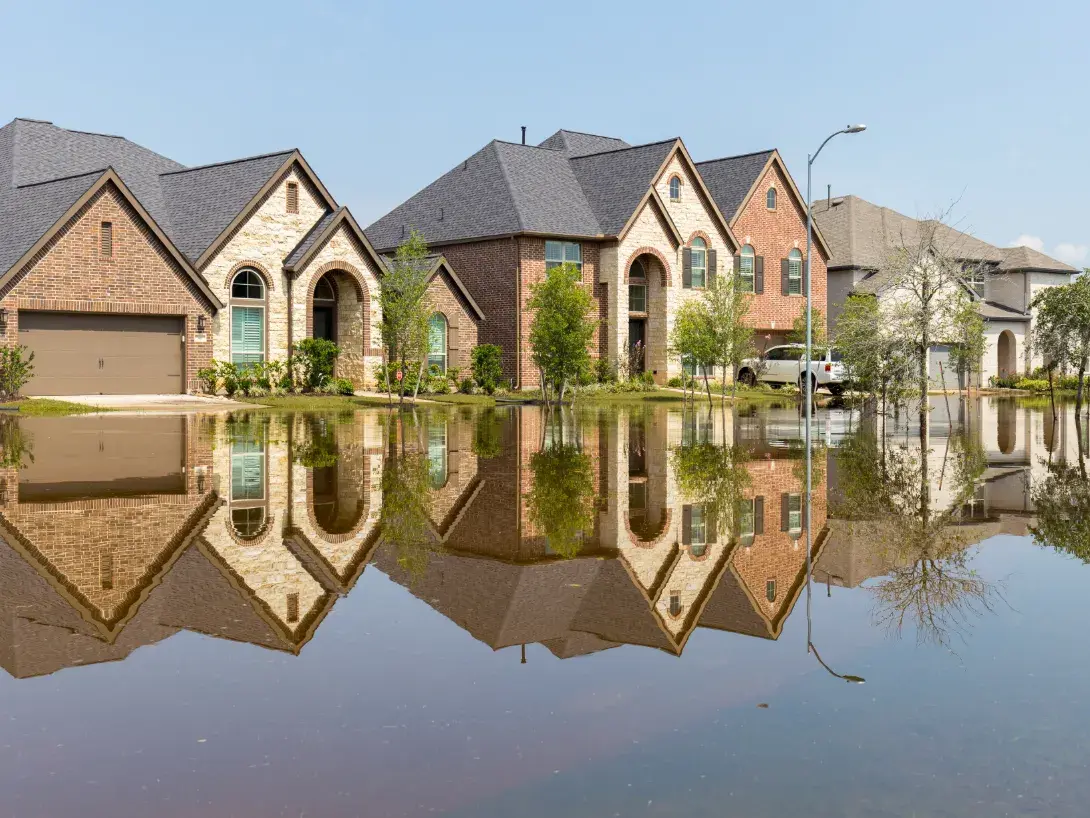
Flood insurance is one of the most misunderstood types of coverage, but it’s also one of the most important.
While a home insurance policy protects you from water damage, it usually does not cover flood damage. Similar on the surface, these damages are handled separately because they involve completely different perils, or causes. Homeowners insurance covers accidental water damage that happens inside the home. Flood insurance covers rising water from outside – a broader, more unpredictable event that affects entire neighborhoods, not individual homes.
Flood damage can be expensive; just 1 inch of water could lead to $25,000 in damage. Homeowners, however, may still hesitate to get this vital coverage because they believe the costs will be too high.
Before the federal government’s National Flood Insurance Program (NFIP) was created in 1968, flood insurance was difficult to access. NFIP has been a resource – even in risky areas – since then. Today, however, homeowners have access to private coverage from insurers like Orion180.
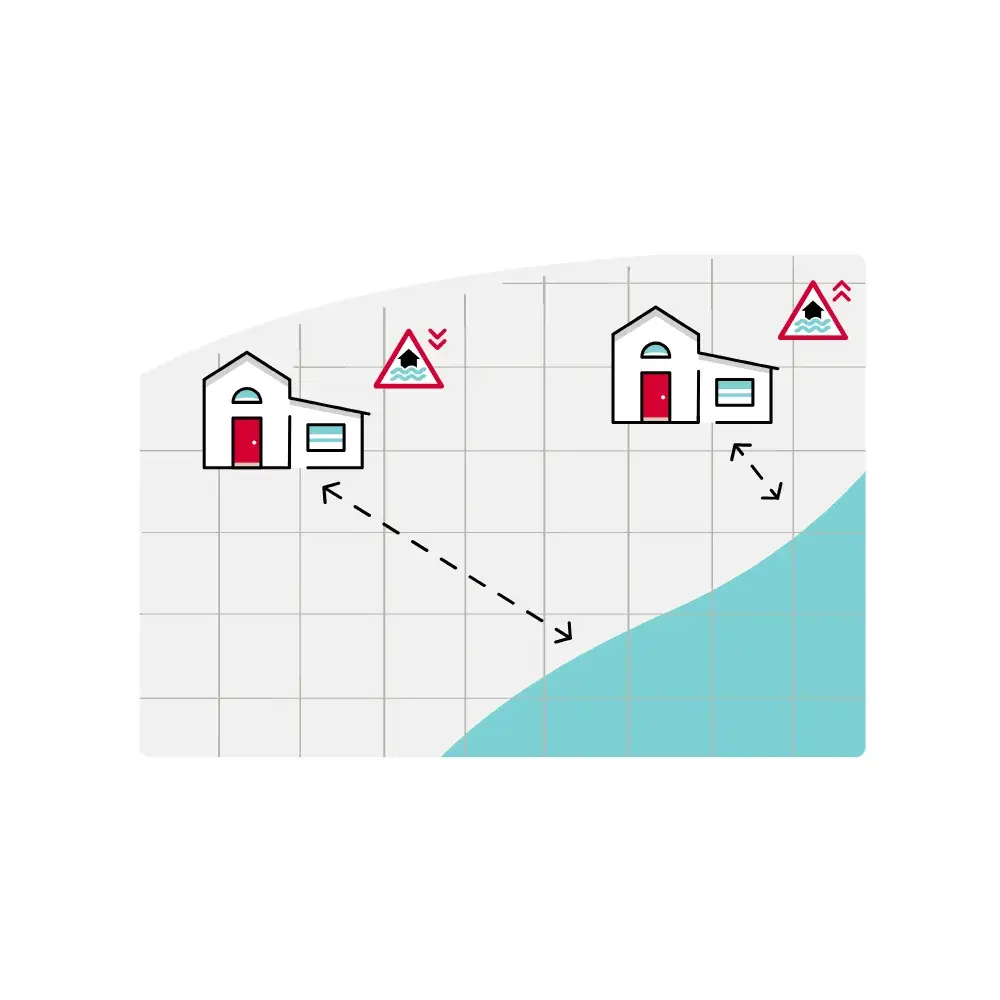
As part of the NFIP, FEMA creates Flood Maps that mark zones based on their flood risk. 75% of these maps are outdated, and some have not been updated since the 70s or 80s. Flood zones are often a key factor in the pricing for NFIP and other private insurance policies. Orion180 takes a different approach, looking at individual properties to determine their specific flood risk.
Flood Insurance Pricing
At Orion180, we use a custom, high-resolution model to evaluate homes based on:
Precision Location Rooftop-level geocoding pinpoints data specific to a property, not the flood zone it sits in.
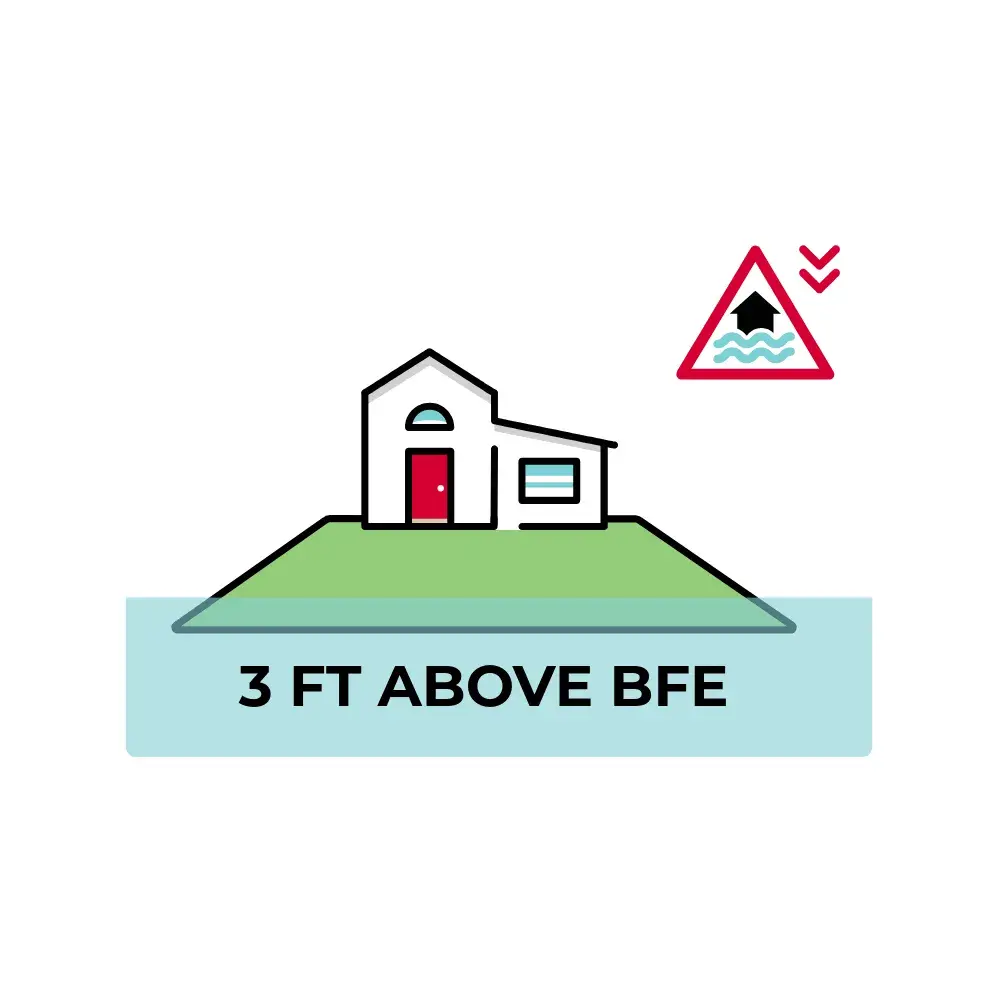
Elevation Base Flood Elevation (BFE) is the height water is expected to reach during a major flood. An elevation above that and a higher first-floor mean lower risk.
Surrounding Topography Natural and man-made features can reduce your flood risk. Our model considers things like nearby dams, levees, hills, and drainage networks – rewarding properties that are better protected.
Data Analysis It's not just about how close a home is to the coast, it's about how water is expected to behave at that specific location. Our model uses advanced flood-depth data to identify properties with naturally lower risk, even those near the coast

While pricing is important, it’s only one factor you need to consider. See how our Orion180 coverage stacks up against NFIP policies:
- Higher Coverage Limits Protect a property's full value – up to $1 million – compared to NFIP’s $250,000 cap.
- Faster Activation Coverage starts in just 10 days, compared to NFIP’s 30-day waiting period.
- Simplified Process No complex documentation like elevation certificates required.
- Expanded Protection In addition to the property, Orion180 offers coverage for belongings, temporary housing and more.
- Claims Superiority We pay approved flood claims in an average of 18 days, while NFIP and others often take months.
- Support You Can Count On Our team offers compassionate care, with an average 4.8-star rating from 3,500+ Google reviews.
- All-In-One Convenience Manage home and flood insurance policies in one easy platform: MY180.
Get a free quote today to experience the Orion180 difference!