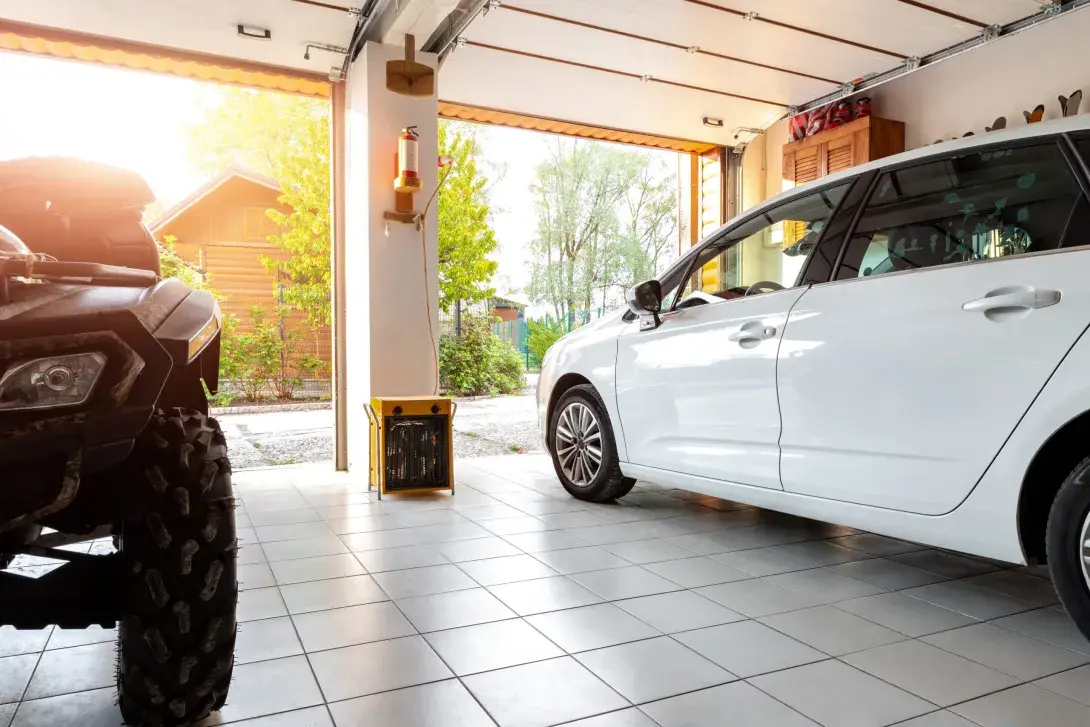
Here’s a list of common items you may need to include in your home inventory for the garage:
Power Tools and Equipment
- Professional-grade power tools (table saw, miter saw, etc.)
- Industrial-sized air compressors
- Generators for backup power
- High-capacity pressure washers
- Toolboxes or tool chest
Specialty Automotive Tools
- Engine diagnostic scanners
- Automotive lifts or hoists
- Specialty tool sets for specific car repairs
Workshop Machinery
- Woodworking machinery (bandsaw, lathe, planer, etc.)
- Metalworking equipment (welders, grinders, etc.)
- CNC machines (Computer Numerical Control)
Home Gym Equipment
- Treadmills or elliptical trainers
- Weightlifting racks or machines
- Multi-functional exercise stations
Recreational Vehicles
- Jet skis or personal watercraft
High-End Audio/Visual Systems
- Home theater systems
- Projectors and screens
- Soundproofing materials and acoustical treatments
Collectibles and Memorabilia
- Sports memorabilia (autographed items, jerseys, etc.)
- Rare or vintage signage or advertising materials
- Antique or limited-edition items
Specialty Tools and Instruments
- Professional-grade photography or videography equipment
- Musical instruments (pianos, drum kits, etc.)
- Recording studio equipment
Garage Furniture and Storage Systems
- Custom-built workbenches or tool cabinets
- Specialty garage flooring or wall systems
Remember to provide detailed information about each item, including brand names, models, purchase dates, and estimated values. Taking photographs or videos of the items can also be helpful for documentation purposes.
Disclaimer
This content provides a general overview of common items found in a home’s room. Please note that this list is not exhaustive, and the presence or absence of specific items does not apply universally. It serves as a reference and starting point, not a comprehensive guide. Individual preferences and room variations should be considered when furnishing or decorating.
You may also like: Home Inventory: What Is It and How to Get Started?