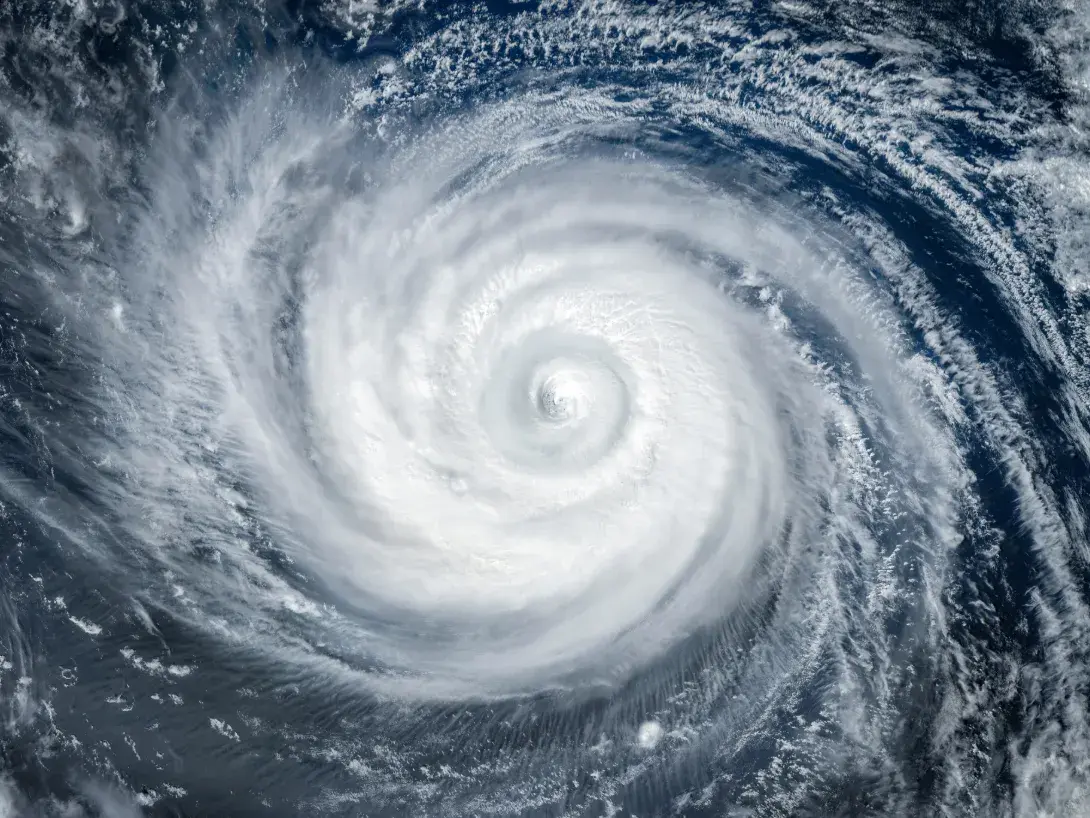
NOAA has consistently forecasted a relatively calm 2026 Atlantic hurricane season. This has been welcome news, but it’s important to know that seasonal activity is only one part of the risk picture.
A seasonal forecast tells us how much storm activity is expected across the Atlantic basin. What it does not inform us about is whether a storm will make landfall, how strong it will be when it does, or what will be in its path.
NOAA’s August update puts the season at a 75% chance of below-normal activity, with seven to 13 named storms, two to six hurricanes, and up to two major hurricanes, with El Niño conditions reported to be tempering activity.
The Bigger Exposure Picture
Storm count is only part of the risk: for insurers and homeowners, location, intensity, and exposure ultimately determine the impact.
History makes the point. The relatively quiet 1992 season produced only six tropical storms and four hurricanes, but one was Hurricane Andrew. If Andrew struck today, Swiss Re estimates insured losses could approach $100 billion. By contrast, the record-setting 2020 season produced 30 named storms, yet a comparatively modest $30 billion in insured losses, largely because the strongest storms avoided the most densely populated, high-value areas.
For agents, that is the bigger picture. Fewer expected storms does not automatically mean less potential for loss. One landfall in the wrong place can outweigh an otherwise calm season.
Use the Calm to Prepare
August through October is still the heart of hurricane season. A below-normal outlook gives agents valuable time to review coverage before severe weather creates urgency.
Use this window to review limits and deductibles, pressure-test coverage limits against today’s rebuilding costs, and uncover potential gaps. Orion180’s Home Insurance and FLEX Homeowners Insurance allow you to match protection more closely to the individual home and household. For example, FLEX empowers agents to tailor coverages, limits, deductibles, and roof protection around a client’s needs, risk tolerance, and budget.
Hurricane season is also an important time to revisit wind and flood exposure. A single storm can produce both, yet flood damage is typically not covered by a homeowners policy. Agents can help clients understand where their protection begins and ends, and whether additional Flood coverage is needed.
Additionally, Orion180 developed a useful and shareable Hurricane Preparedness Guide, which turns the coverage conversation into an action plan to confirm protection, address vulnerable areas around the home, document belongings, and prepare the household.
Leading By Example
Orion180 leads by example and is taking the same preparedness-first approach. For 2026, we have secured $1.15 billion in reinsurance protection – a tower that is backed by a panel of 41 global reinsurers, which represents over 36% in additional capacity over 2025.
The NOAA forecast may call for fewer storms right now, and that projection offers a measure of peace of mind. It is key, however, to keep the forecast in perspective. It describes expected activity across the basin, not the exposure of any one household. A calmer forecast is useful information, but not a substitute for smart, individualized protection.
Log into MY180 to review policies, get new quotes ready, and download the Hurricane Preparedness Guide.